Series③ “Is a Revival of LNG Carrier Construction in Japan Possible?” 連載③「日本でLNG船建造の復活は可能か」

Three Challenges for the Regeneration and Revival of Japanese Shipbuilding
ニッポン造船、再生・復活への3つの課題
In Japan, expectations for the revival of “Shipbuilding Nippon,” designated as a priority strategic industry following the inauguration of the Sanae Takaichi (Prime Minister, Sanae Takaichi) administration, have been growing by the day. In this third and final instalment of the series, this article examines whether a revival of LNG carrier construction at Japanese shipyards is possible.
Key points of this article
→ Over more than two decades, major South Korean shipyards have built large numbers of membrane-type LNG carriers, forming a vast labour pool of skilled workers certified by GTT. Combined with wage levels and flexibility in deploying long working hours, they have established a production system premised on labour-intensive membrane construction, effectively setting a global standard.
→ For Japanese shipbuilding, commercial opportunities in restarting LNG carrier construction lie not in treating LNG carriers as the sole end goal, but in positioning them as part of a transition pathway to next-generation fuels. By looking ahead to hybrid specifications—such as ammonia- and methanol-ready designs, CCS installation, and combinations with wind-assisted propulsion—there is potential for Japan’s strengths in ship design and marine equipment industries to be fully leveraged.
“You can read the rest of the article in both English and Japanese.”
ニッポン造船、再生・復活への3つの課題
③「日本でLNG船建造の復活は可能か」
日本では高市早苗(Prime Minister, Sanae Takaichi)政権の発足に伴い、重点戦略事業に指定された「造船ニッポン」への復活にかける期待は日に日に増している。連載の最終回となる第3回目は、「日本造船所でLNG船建造の復活は可能か」という点について検証する。
この記事のポイント
→韓国の大手造船所は20年以上にわたりメンブレン型を大量建造する中で、GTT認証を受けた熟練工の巨大な労働プールを形成してきた。賃金水準や長時間投入の柔軟性も相まって、労働集約型であるメンブレン建造を前提とした生産体制を確立し、事実上の世界標準を築いている。
→日本造船のLNG船の建造再開で商機となるのは、LNG船建造のみを「最終目標」とするのではなく、次世代燃料への移行軸と位置付けた複合仕様──アンモニア・メタノール対応、CCS搭載、風力補助推進との組み合わせ──などを視野に入れることで、日本の設計力と機器産業の強みが生きる可能性がある。
“You can read the rest of the article in both English and Japanese.”(続きは英語と日本語で書かれた本文でお読みください)


- NORDEN Tanker Pool grows to more than 75 MR tankers ノルデン Tanker Pool、MR型タンカー75隻超に成長
- NYK Research G warns of fleet growth in 2027 and rising supply pressure 日本郵船調査G 27年に船腹増加、供給圧力を警戒
関連記事
-
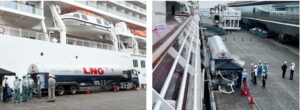
 Asuka III Carries Out Japan’s First LNG Bunkering for a Cruise Ship 飛鳥Ⅲ、国内クルーズ船で初のLNGバンカリング
 -
Bilander Ship Management Newsletter Issue No. 2/ビランダー・シップマネージメント通信第2号
-
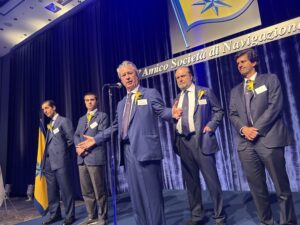
d’Amico Group Tokyo Reception Over 100 Charter Contracts with Owners ダミコ、東京でレセプション、船主と100隻超の用船実績
-
Northern Sea Route, the “Shortest Path” Left in Limbo by Sanctions 北極海航路、経済制裁で宙に浮く「最短ルート」
-
Bilander Ship Management Newsletter Issue No. 3 ビランダー・シップマネージメント通信 第3号
-
Oshima Shipbuilding’s Challenge: Entering the Era of 40 Vessels Annually 大島造船所の挑戦 建造量40隻時代へ
-
HD Hyundai Heavy Industries in Talks to Acquire US Shipyards HD現代重工、米国造船所買収を複数企業と協議へ
-
Maritime DX (4) NAVTOR, E-navigation connecting 18,000 vessels worldwide 海運DX ④NAVTOR、世界18000隻をつなぐ覇者



コメント