MOL strengthens stable earnings base through terminal operations 商船三井、ターミナル事業で安定収益基盤を強化

Strategic shift signalled by dual investments in car carrier and tank terminals
自動車専用船とタンクターミナル、二つの投資が示す戦略的転換とは
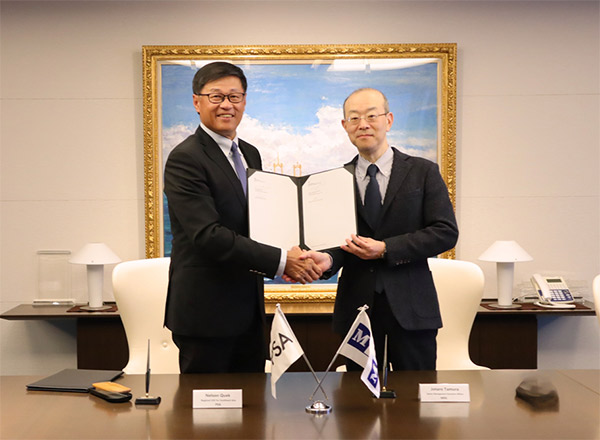
MOL announced on 29 January that it will establish a car carrier terminal operating company in Singapore through a joint venture with PSA, one of the world’s leading port operators. In December last year, meanwhile, the company concluded long-term loan agreements totalling ¥250bn to finance the acquisition of LBC, a Dutch tank terminal operator.
Key takeaways
→ Amid increasingly volatile shipping market conditions, the move highlights the company’s clear commitment to active investment in land-based infrastructure, namely ports and terminals. The two terminal businesses — finished vehicle logistics and chemical logistics — differ in character, but both are built around long-term contracts and offer low-volatility earnings models.
→ In light of past experiences with shipping downturns, this series of investments by MOL in car carrier terminals and tank terminals can also be seen as an important step signalling a strategic shift by the company.
(Please read on for the full text in both English and Japanese. The Japanese article follows the English version.)
商船三井、ターミナル事業で安定収益基盤を強化
自動車専用船とタンクターミナル、二つの投資が示す戦略的転換とは
商船三井は1月29日、世界有数の港湾運営会社PSAと合弁で自動車専用船ターミナル運営会社をシンガポールに設立することを表明した。一方、昨年12月にはオランダのタンクターミナル運営会社LBCの買収資金として総額2,500億円の長期融資契約を締結した。
この記事のポイント
→海運市況の変動が激しさを増す中、同社が「港湾・ターミナル」という陸上インフラに積極投資する姿勢を鮮明にした形だ。完成車物流とケミカル物流という性格の異なる二つのターミナル事業は、ともに長期契約を軸とした低ボラティリティの収益モデルを持つ。
→過去の海運不況の経験を踏まえれば、今回の一連の商船三井の自動車専用船ターミナル、タンクターミナルへの投資は、同社の戦略的転換を示す重要な布石という見方もできそうだ。
(続きは英語と日本語で書かれた本文でお読みください。日本語の記事は英文記事に続いて掲載されています)
- Maersk Orders Eight 18,600-TEU Ships from New Times Shipbuilding マースク、新時代造船に18,600TEU型8隻を発注
- NYK’s Offshore Floating Data Centre Concept Wins MIC Award 日本郵船らの洋上浮体型データセンター構想、総務大臣賞を受賞
関連記事
-
 〆 Inside Report Diverging Views Over New Fuels, MOL’s Hashimoto responds to Maersk「LNG燃料への課金」は是か非か
 -
〆 Inside Report: Why USTR’s New Tariffs Target All Car Carriers Worldwide USTR、全世界の海運会社のPCTC対象の「なぜ」
-
〆 Union Maritime Hosts Second Anniversary Reception in Tokyo:英ユニオンマリタイムが日本事務所設立2周年記念パーティーを開催。
-
〆 Clarksons Japan Hosts Spring BBQ for Japanese Maritime Stakeholders:クラークソンズ、日本の海事関係者を招きBBQ開催
-
〆Osaka Gas makes first LNG bunkering to MOL’s dedicated iron ore carrier — 大阪ガス、商船三井のLNG燃料鉄鋼原料船に初供給
-
〆INSIDE REPORT: Imabari Shipbuilding sees 2,134 Training Program plans revoked. 技能実習法違反、今治造船だけの問題か。
-
〆 INSIDE REPORT TSUNEISHI Block Loading the Compay’s First Methanol-Fuelled Ship 常石造船、初のメタノール燃料船を建造
-
〆 Inside Report An Exodus from Japan’s Trading Houses’ Shipping Divisions: “止まらない日本の商社船舶部の人材流出

コメント