Emergency Interview: MarineTraffic’s Yu Yamada 緊急インタビュー、MarineTraffic山田優氏に聞く

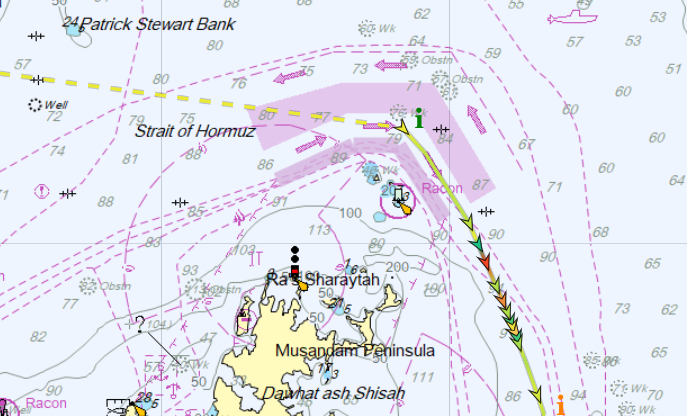
AIS Data Reveals the Reality of the Strait of Hormuz and How Japan-Related Vessels Can Use It
AISデータが映すホルムズ海峡の実態、日本関係船の活用法
Attacks on commercial vessels in the Persian Gulf are intensifying.
In this emergency interview, Maritime Bridge Japan spoke with Yu Yamada, Manager for the Asia-Pacific region at MarineTraffic, which provides maritime data on a daily basis for the Strait of Hormuz and the Persian Gulf during this period of heightened tension.
He explained the company’s services, the background to the expansion of its use, and the effectiveness of data analysis in light of the situation in the Strait of Hormuz, as well as how such information can be utilised in practice.
(Interviewer: Hirofumi Yamamoto)
■The following topics can be read in the full article (approximately 3,000 characters)
→The reality of the Strait of Hormuz shown by AIS data
Data analysis reveals the sharply reduced number of transiting vessels, unusual navigation routes, and the increase in ships at anchor amid rising maritime tension.
→The background behind AIS shutdowns and abnormal vessel tracks
Is it intentional shutdown or GNSS spoofing? Operational data highlights emerging maritime risks.
→Operational responses for Japan-related vessels
How MarineTraffic can be used to monitor vessel density and route changes and support decisions on evacuation or navigation.
→Monitoring sanctioned and suspicious vessels
By combining IMO numbers and AIS data, operators can analyse signals of STS transactions and sanction-related shipping activity.
→AIS becoming “maritime intelligence”
Ship data is evolving into strategic information supporting decision-making for shipping companies, financial institutions and governments.
(The full article is available in English and Japanese. The Japanese version follows the English article.)
緊急インタビュー、MarineTraffic山田優(Yu Yamada)氏に聞く
AISデータが映すホルムズ海峡の実態、日本関係船の活用法
ペルシャ湾内で民間船舶への攻撃が激しさを増している。Maritime Bridge Japanは今回、緊急インタビューとして、緊迫するホルムズ海峡、ペルシャ湾に日々、適切な海事データを提供するMarineTrafficでアジア・太平洋地域を担当する山田優(Yu Yamada)マネージャーに、同社のサービス内容や利用拡大の背景、さらにホルムズ海峡情勢を踏まえたデータ分析の有効性とその活用方法について聞いた。(聞き手 山本裕史, Hirofumi Yamamoto)
■記事本文では以下の内容を読むことができます(記事全文約3000文字)
→AISデータが示すホルムズ海峡の実態
通航船舶の急減、異常航路、錨泊船の増加など緊迫する海上状況をデータで分析。
→AIS停止・航跡異常の背景
意図的停止かGNSSスプーフィングか、現場データから見える新たな海上リスク。
→日本関係船の実務対応
MarineTrafficで船舶密度や航路変化を把握し、退避や航路判断に活用する方法。
→制裁船・不審船の監視
IMO番号とAISを組み合わせ、STS取引や制裁関連航行の兆候を分析。
→AISが“海上インテリジェンス”に
船舶データが海運・金融・政府の意思決定を支える戦略情報へ。
(続きは英語と日本語で書かれた本文でお読みください。日本語の記事は英文記事に続いて掲載されています)
- US-Owned Tanker Erupts in Flames After Explosion in Northern Persian Gulf 米国所有タンカーが炎上、ペルシャ湾奥部で爆発
- US Treasury Allows Exception for Russian Oil Voyages 米財務省、ロシア原油航海を例外容認
関連記事
-
 〆Klaveness Japan, Haruki Chua Shares His Outlook and Strategy:クラブネス・ジャパン ゼネラル・マネジャー、ハルキ・チュア氏に聞く
 -
〆Interviw:Sirtica Director Anuraag Maheshwari Sets Sights on New Market:シルティカ、キプロスとインドを拠点に欧米で船舶管理の実績
-
〆Interview Lu Hoferik, President of Bridge Marine Sustainable Growth Model:ブリッジ・マリンのルー・ホフェリク社長に聞く
-
〆Interview BainBridge Navigation Striving to Be “Closest to the Cargo”インタビュー、ベインブリッジ・ナビゲーション運航100隻へ
-
〆Interview Sridev Mookerjea, Founder and Chairperson, Blossom Group ブロッサグループ創業者兼会長、ムスリデブ・ムケルジア氏
-
〆 Prosmar CEO Ali Jourabchi Discusses Risk Management of Dry Bulk Market プロスマーCEO ジュラブチ氏 ドライ市場のリスク管理
-
Gard Japan:A Presence Built on Trust and Stability in the Japanese Market ガード、日本市場で「信頼と安定」を提供
-
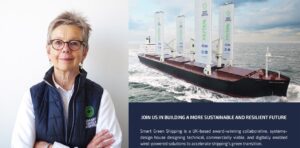
Interview with Diane Gilpin, Founder of Smart Green Shipping スマート・グリーン・シッピング創業者 ダイアン・ギルピン氏に聞く




コメント