AI Becomes the New “Eye” for Navigation in the Age of GPS Jamming GPS妨害時代の航海安全、AIが新たな「目」

Vulnerabilities of satellite dependence exposed by the Hormuz crisis, posing challenges for Japan-linked vessels as well
ホルムズ危機で露呈した衛星依存の脆弱性、日本関係船にも課題
Yarden Gross, Chief Executive of the London-based maritime AI company Orca AI, says that shipping companies must fundamentally reconsider how bridge operations and navigational monitoring are conducted in order to maintain safe navigation even in a “GPS denied environment,” where GPS and AIS are unavailable.
■The full article covers the following topics (approximately 3,000 words):
→ GPS spoofing spreads across the Strait of Hormuz — vessel position data widely disrupted
→ More than 1,650 merchant ships affected by electronic interference — exposing weaknesses in modern navigation systems
→ Tanker freight rates surge above $700,000 per day — the Hormuz crisis hits shipping markets
→ AI becomes a “new eye” — technology enabling navigational monitoring even when GPS and AIS cannot be used
→ A direct issue for Japan’s VLCC and LNG fleets — implications for the safety of Middle East routes on which Japan’s merchant fleet depends
(The full article can be read in both English and Japanese. The Japanese version follows the English article.)
GPS妨害時代の航海安全、AIが新たな「目」
ホルムズ危機で露呈した衛星依存の脆弱性、日本関係船にも課題
英国ロンドンに本拠を置く海事AI企業Orca AIのヤルデン・グロスCEOは、GPSやAISが利用できない「GPS denied environment(衛星信号が使えない環境)」でも安全な航行を維持するため、海運会社はブリッジ運用や航海監視の考え方そのものを見直す必要があるという。
■記事本文では以下の内容を読むことができます(記事全文約3000文字)
→ホルムズ海峡で広がるGPSスプーフィング ― 船舶の位置情報が大規模に攪乱
→1650隻以上の商船が電子妨害の影響 ― 現代航海システムの弱点が露呈
→タンカー運賃が日建て70万ドル超へ急騰 ― ホルムズ危機が海運市場を直撃
→AIが“新しい目”に ― GPSやAISが使えない環境でも航海監視を可能にする技術
→日本のVLCC・LNG船にも直結する問題 ― 日本商船隊が依存する中東航路の安全性に影響
(続きは英語と日本語で書かれた本文でお読みください。日本語の記事は英文記事に続いて掲載されています)
- Tokushima Taisho Bank holds seminar to develop ship finance expertise 徳島大正銀行、シップファイナンス人材育成へ勉強会
- Vessel Listing Chinese Crew on AIS Hit by Strike in Persian Gulf ペルシャ湾でAIS表示「中国人乗組員」の船舶が被弾
関連記事
-
 〆 Inside Report Diverging Views Over New Fuels, MOL’s Hashimoto responds to Maersk「LNG燃料への課金」は是か非か
 -
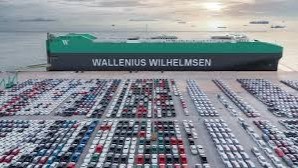
〆 Inside Report: Why USTR’s New Tariffs Target All Car Carriers Worldwide USTR、全世界の海運会社のPCTC対象の「なぜ」
-
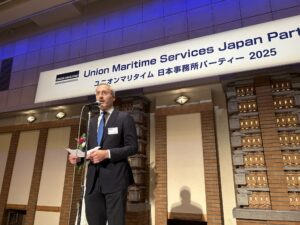
〆 Union Maritime Hosts Second Anniversary Reception in Tokyo:英ユニオンマリタイムが日本事務所設立2周年記念パーティーを開催。
-
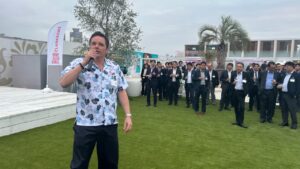
〆 Clarksons Japan Hosts Spring BBQ for Japanese Maritime Stakeholders:クラークソンズ、日本の海事関係者を招きBBQ開催
-
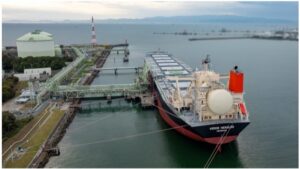
〆Osaka Gas makes first LNG bunkering to MOL’s dedicated iron ore carrier — 大阪ガス、商船三井のLNG燃料鉄鋼原料船に初供給
-
〆INSIDE REPORT: Imabari Shipbuilding sees 2,134 Training Program plans revoked. 技能実習法違反、今治造船だけの問題か。
-
〆 INSIDE REPORT TSUNEISHI Block Loading the Compay’s First Methanol-Fuelled Ship 常石造船、初のメタノール燃料船を建造
-
〆 Inside Report An Exodus from Japan’s Trading Houses’ Shipping Divisions: “止まらない日本の商社船舶部の人材流出

コメント