Japan Eyes Alaskan Crude, Requiring 4–5 Aframax Tankers 日本のアラスカ原油調達、アフラマックス4-5隻

Voyage Duration 12–14 Days; Under CIF Terms, Tankers Are Provided by the U.S. Side
輸送日数12-14日、CIFベースならアメリカ側が配船
The governments of Japan and the United States have entered final coordination to reach an agreement on cooperation to increase production of crude oil from Alaska’s North Slope, at a summit scheduled to be held in the United States on March 19, 2026 between Prime Minister Sanae Takaichi and U.S. President Donald Trump.
■The full article covers the following points (approx. 3,000 words)
→ Alaskan crude transport requires “four to five Aframax tankers” — what constitutes a realistic fleet requirement
→ Voyage duration of 12–14 days, around one week shorter than Middle East routes, creating a significant difference in fleet turnover and cost structure
→ CIF or FOB determines “who provides the vessel” — diverging allocation of shipping revenue
→ The “trans-Pacific direct route” emerging amid Hormuz Strait disruption — the practical implications of avoiding chokepoints
→ Lessons from the Exxon Valdez incident — the essence of safety regulation and risk on the Alaskan route
Photo courtesy of iStock, Map = MarineTraffic
(The remainder of the article is available in both English and Japanese. The Japanese version follows the English text.)
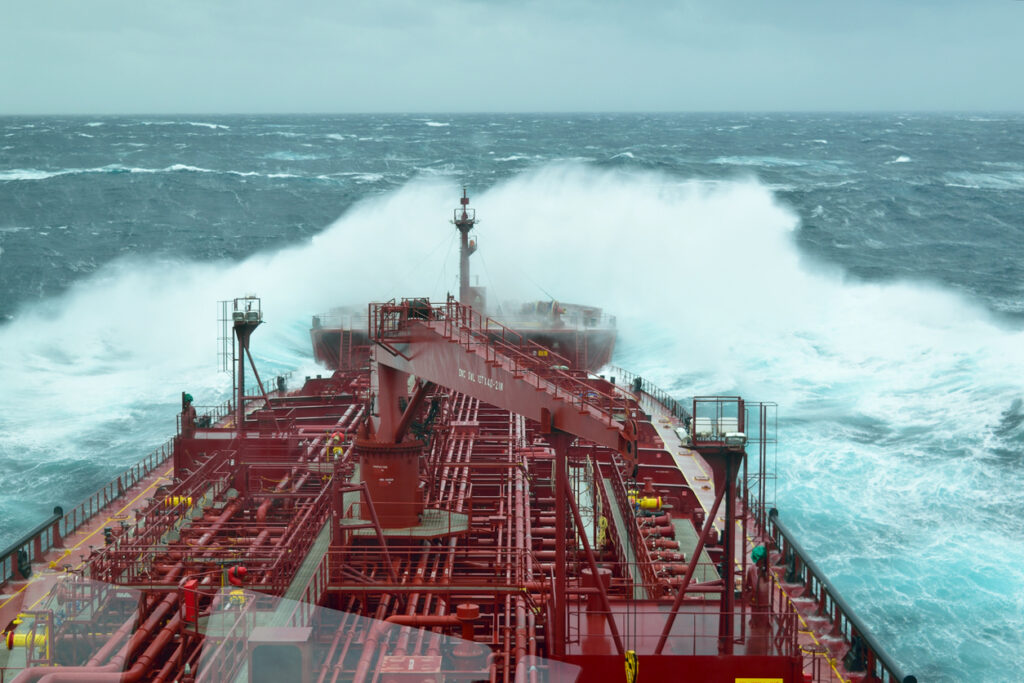
日本のアラスカ原油調達、アフラマックス4-5隻
輸送日数12-14日、CIFベースならアメリカ側が配船
日米両政府は2026年3月19日米国で開催予定の高市早苗首相とトランプ米大統領の首脳会談で、米北部アラスカ州産原油の増産に向けた協力で合意する方向で調整に入った。
■記事本文では以下の内容を読むことができます(記事全文約3000文字)
→ アラスカ原油輸送は「アフラマックス4~5隻」が必要—現実的船腹量とは
→ 航海日数12~14日で中東比▲約1週間、船腹回転率とコスト構造に大きな差
→ CIFかFOBかで「誰が船を出すか」が変わる—海運収益の帰属が分岐
→ ホルムズ封鎖で浮上した“太平洋直航ルート”—チョークポイント回避の実務的意味
→ エクソンバルディーズ事故の教訓—アラスカ航路における安全規制とリスクの本質
Photo courtesy of iStock, Map=MarineTraffic
(続きは英語と日本語で書かれた本文でお読みください。日本語の記事は英文記事に続いて掲載されています)
- Sumitomo, K Line and NYK sign MoU on ammonia bunkering vessel 住友商事・川崎汽船・日本郵船、アンモニア燃料供給船でMoU
- Japan’s Big Three Shipping Stocks Surge — Is There a Link to Global Peers? 海運大手3社の株価急騰、国際海運との関連性とは
関連記事
-
 〆 Inside Report Diverging Views Over New Fuels, MOL’s Hashimoto responds to Maersk「LNG燃料への課金」は是か非か
 -
〆 Inside Report: Why USTR’s New Tariffs Target All Car Carriers Worldwide USTR、全世界の海運会社のPCTC対象の「なぜ」
-
〆 Union Maritime Hosts Second Anniversary Reception in Tokyo:英ユニオンマリタイムが日本事務所設立2周年記念パーティーを開催。
-
〆 Clarksons Japan Hosts Spring BBQ for Japanese Maritime Stakeholders:クラークソンズ、日本の海事関係者を招きBBQ開催
-
〆Osaka Gas makes first LNG bunkering to MOL’s dedicated iron ore carrier — 大阪ガス、商船三井のLNG燃料鉄鋼原料船に初供給
-
〆INSIDE REPORT: Imabari Shipbuilding sees 2,134 Training Program plans revoked. 技能実習法違反、今治造船だけの問題か。
-
〆 INSIDE REPORT TSUNEISHI Block Loading the Compay’s First Methanol-Fuelled Ship 常石造船、初のメタノール燃料船を建造
-
〆 Inside Report An Exodus from Japan’s Trading Houses’ Shipping Divisions: “止まらない日本の商社船舶部の人材流出

コメント