Strait of Hormuz Transit: Why Iran Is Demanding Payments in Yuan ホルムズ海峡通航、人民元要求の理由とは

A Pricing Mechanism That Challenges the “Petrodollar System”
「ペトロダラー・システム」揺るがす料金システム
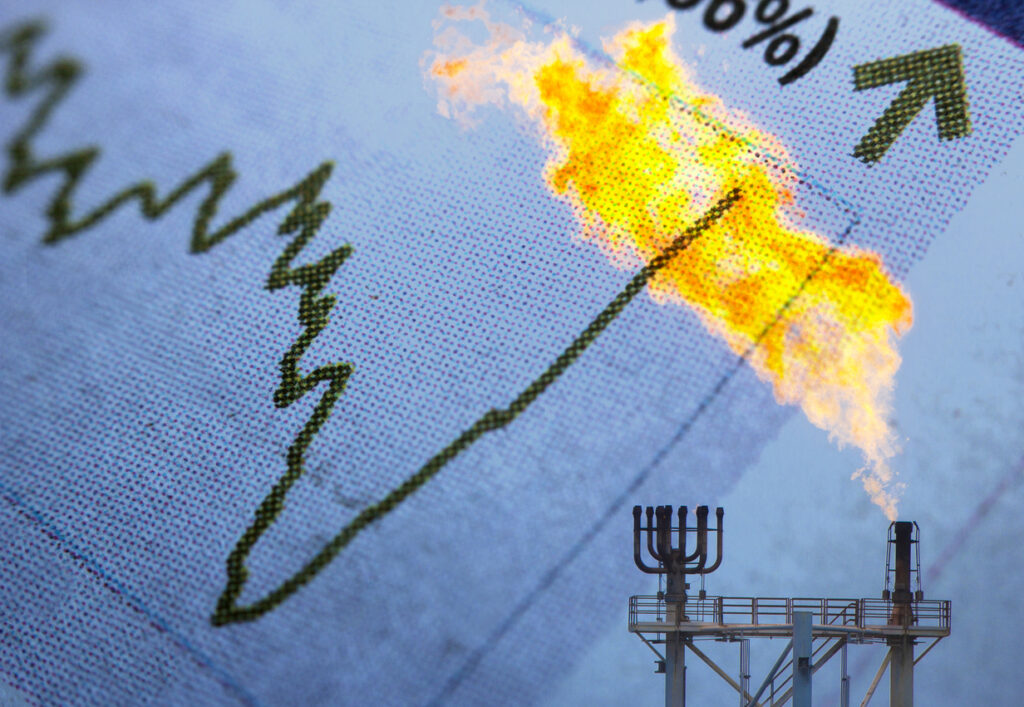
Iran has begun requiring vessels transiting the Strait of Hormuz to settle transit fees and energy-related transactions in Chinese yuan. The move is seen as carrying structural implications that cannot be explained solely as a sanctions-evasion measure.
■The full article includes the following content (approx. 3,000 words)
→How the closure of the Strait of Hormuz is affecting the dollar-centric structure of energy transactions
→Why Iran’s demand for yuan goes beyond a simple sanctions workaround
→The concrete implications of “currency risk” spreading across shipping contracts, insurance and finance
→The current state and significance of currency diversification pursued by China and Gulf states
→Early signs of how shifts in the petrodollar system are emerging in maritime transport operations
(The full text is available in both English and Japanese. The Japanese article follows the English version.)
ホルムズ海峡通航、人民元要求の理由とは
「ペトロダラー・システム」揺るがす料金システム
ホルムズ海峡を通航する船舶に対し、イランが通行料やエネルギー取引の決済を中国人民元で行うよう要求している。この措置は、単なる制裁回避策では説明しきれない構造的意味を持つとみられる。
■記事本文では以下の内容を読むことができます(記事全文約3000文字)
→ホルムズ海峡の封鎖が、ドル中心のエネルギー取引構造にどのような影響を与えているのか
→イランの人民元要求が、単なる制裁回避にとどまらない理由
→海運契約・保険・金融に広がる「通貨リスク」の具体像
→中国や湾岸諸国が進める通貨多様化の現状とその意味
→ペトロダラー・システムの揺らぎが海上輸送の現場で示す変化の兆し
(続きは英語と日本語で書かれた本文でお読みください。日本語の記事は英文記事に続いて掲載されています)
- Japanese Shipping Majors Face Difficulty in Forecasting Earnings 海運大手3社、今期の業績予想が難航
- US Gulf energy shipments rerouted amid Hormuz disruption 米ガルフ発エネルギー輸送、ホルムズ封鎖で航路再編へ
関連記事
-
 〆 Inside Report Diverging Views Over New Fuels, MOL’s Hashimoto responds to Maersk「LNG燃料への課金」は是か非か
 -
〆 Inside Report: Why USTR’s New Tariffs Target All Car Carriers Worldwide USTR、全世界の海運会社のPCTC対象の「なぜ」
-
〆 Union Maritime Hosts Second Anniversary Reception in Tokyo:英ユニオンマリタイムが日本事務所設立2周年記念パーティーを開催。
-
〆 Clarksons Japan Hosts Spring BBQ for Japanese Maritime Stakeholders:クラークソンズ、日本の海事関係者を招きBBQ開催
-
〆Osaka Gas makes first LNG bunkering to MOL’s dedicated iron ore carrier — 大阪ガス、商船三井のLNG燃料鉄鋼原料船に初供給
-
〆INSIDE REPORT: Imabari Shipbuilding sees 2,134 Training Program plans revoked. 技能実習法違反、今治造船だけの問題か。
-
〆 INSIDE REPORT TSUNEISHI Block Loading the Compay’s First Methanol-Fuelled Ship 常石造船、初のメタノール燃料船を建造
-
〆 Inside Report An Exodus from Japan’s Trading Houses’ Shipping Divisions: “止まらない日本の商社船舶部の人材流出


コメント