US Gulf energy shipments rerouted amid Hormuz disruption 米ガルフ発エネルギー輸送、ホルムズ封鎖で航路再編へ

LNG carrier “Al-Qaiyyah” and Suezmax tanker “OTIS” at the centre of structural shift in transport patterns
LNG船「Al-Qaiyyah」とスエズマックス「OTIS」、輸送構造変化の軸に
The de facto closure of the Strait of Hormuz is significantly altering tanker deployment patterns in global energy transportation. In Sabine Pass, Texas, the first export cargo from the Golden Pass LNG project—a joint venture between QatarEnergy and ExxonMobil—has been shipped, with the 174,000 cubic metre LNG carrier “Al-Qaiyyah” commencing its voyage դեպի Zeebrugge in Europe.
■The full article covers the following key points (approx. 4,000 words)
→A detailed picture of the new “US Gulf-origin” transport routes that have begun to take shape following the Hormuz disruption
→How the LNG carrier “Al-Qaiyyah” and the Suezmax tanker “OTIS” illustrate a shift in deployment structures
→The background to US crude oil and LNG exports reaching record levels, and the sustainability of this trend
→Forward-looking signals from VLCC movements and supply-demand expectations over the coming months
→Whether the shift away from Middle East dependence is temporary or structural, and its fundamental implications for shipping markets
Photo courtesy by QatarEnergy, MarineTrarffic, Chiyoda Corporation
(The remainder of the article is available in both English and Japanese. The Japanese version follows the English text.)
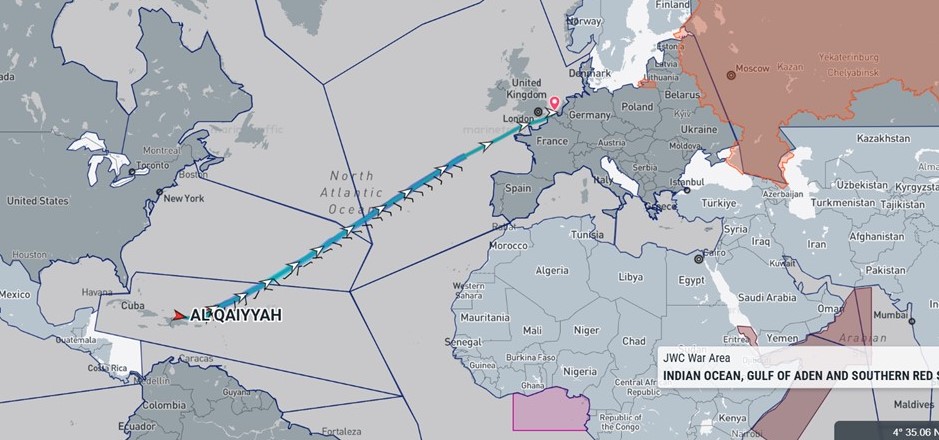
米ガルフ発エネルギー輸送、ホルムズ封鎖で航路再編へ
LNG船「Al-Qaiyyah」とスエズマックス「OTIS」、輸送構造変化の軸に
ホルムズ海峡の事実上の封鎖により、エネルギー輸送の配船パターンが大きく変化している。米テキサス州サビンパスでは、QatarEnergyとExxonMobilの合弁によるゴールデンパスLNGプロジェクトから初の輸出カーゴが出荷され、174,000立方メートル型LNG船「Al-Qaiyyah」が欧州ゼーブルージュ向けに航行を開始した。
■記事本文では以下の内容を読むことができます(記事全文約4,000文字)
→ホルムズ海峡封鎖で実際に動き始めた「米ガルフ発」の新たな輸送ルートの具体像
→LNG船「Al-Qaiyyah」とスエズマックス「OTIS」が示す配船構造の変化
→米国の原油・LNG輸出が過去最高水準に達した背景とその持続性
→VLCCの動きから見える市場の先行シグナルと今後数カ月の需給見通し
→中東依存からの転換が一時的か構造変化か、海運市場への本質的影響
(続きは英語と日本語で書かれた本文でお読みください。日本語の記事は英文記事に続いて掲載されています)
- Strait of Hormuz Transit: Why Iran Is Demanding Payments in Yuan ホルムズ海峡通航、人民元要求の理由とは
- Gard warns on Brazil soybean shipments ガード、ブラジル産大豆輸送に警鐘
関連記事
-
 〆 Inside Report Diverging Views Over New Fuels, MOL’s Hashimoto responds to Maersk「LNG燃料への課金」は是か非か
 -
〆 Inside Report: Why USTR’s New Tariffs Target All Car Carriers Worldwide USTR、全世界の海運会社のPCTC対象の「なぜ」
-
〆 Union Maritime Hosts Second Anniversary Reception in Tokyo:英ユニオンマリタイムが日本事務所設立2周年記念パーティーを開催。
-
〆 Clarksons Japan Hosts Spring BBQ for Japanese Maritime Stakeholders:クラークソンズ、日本の海事関係者を招きBBQ開催
-
〆Osaka Gas makes first LNG bunkering to MOL’s dedicated iron ore carrier — 大阪ガス、商船三井のLNG燃料鉄鋼原料船に初供給
-
〆INSIDE REPORT: Imabari Shipbuilding sees 2,134 Training Program plans revoked. 技能実習法違反、今治造船だけの問題か。
-
〆 INSIDE REPORT TSUNEISHI Block Loading the Compay’s First Methanol-Fuelled Ship 常石造船、初のメタノール燃料船を建造
-
〆 Inside Report An Exodus from Japan’s Trading Houses’ Shipping Divisions: “止まらない日本の商社船舶部の人材流出


コメント