Operators expand slow steaming amid fuel surge オペレーター各社、減速航海を拡大へ

Efficiency prioritised as bunker costs rise, supporting freight markets but raising engine concerns
バンカー高騰で燃費重視、市況下支えも機関負担に懸念
According to interviews conducted by Maritime Bridge Japan by May 3, 2026 with major Japanese shipping companies and overseas operators, slow steaming implemented since early March in response to tightening transit constraints in the Strait of Hormuz is expanding beyond bulk carriers to include container ships, car carriers, as well as some tankers and LNG carriers
■The full article covers the following points (approx. 3,000 words)
→ The reality that slow steaming is no longer confined to bulk carriers but is spreading to major vessel segments such as container ships and car carriers
→ The background to operational strategy reviews at the field level as bunker prices significantly exceed assumed levels
→ The extent to which time lags in fuel cost pass-through (BAF) are affecting short-term cash burdens
→ The impact of slow steaming on vessel supply-demand balance and its role as a supporting factor for freight markets
→ Technical risks such as the impact of low-load operation on main engines and future operational management challenges
(The full article is available in both English and Japanese. The Japanese version follows the English text.)
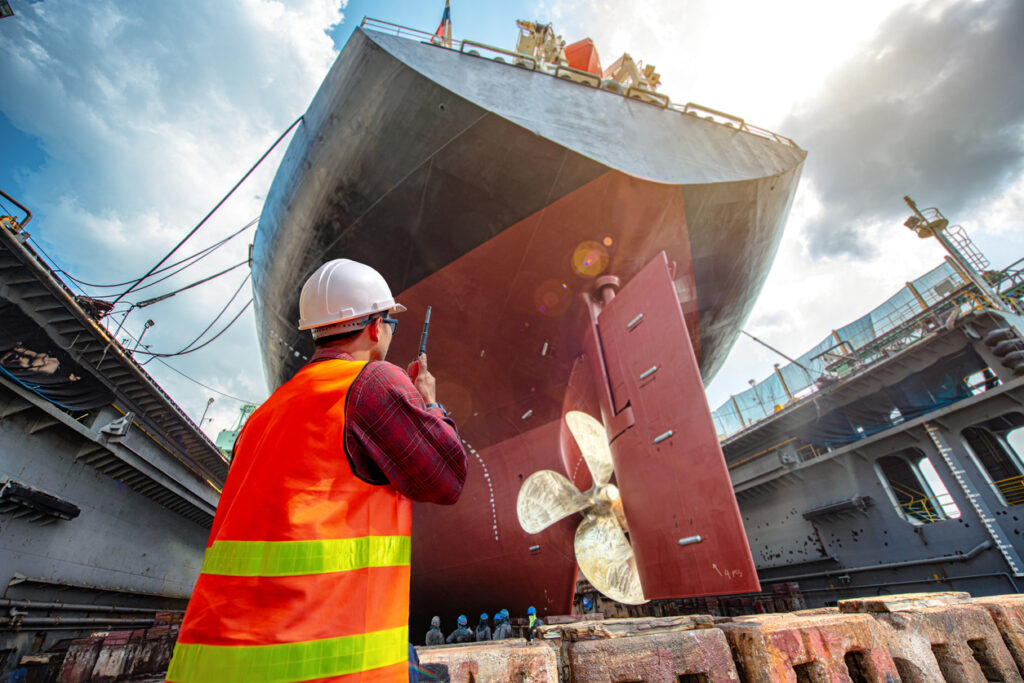
オペレーター各社、減速航海を拡大へ
バンカー高騰で燃費重視、市況下支えも機関負担に懸念
Maritime Bridge Japanが2026年5月3日までに取材した日本の海運大手および海外船社によると、3月上旬以降、ホルムズ海峡の通航制約の高まりを受けて実施されてきた減速航海(スロースチーミング)が、バルクキャリアのみならずコンテナ船、自動車専用船のほか、一部のタンカーやLNG船へと拡大している
■記事本文では以下の内容を読むことができます(記事全文約3,000文字)
→ 減速航海がバルク船にとどまらず、コンテナ船や自動車専用船など主要船種へ広がりつつある実態
→ バンカー価格が想定水準を大きく上回る中、運航戦略の見直しが現場レベルで進んでいる背景
→ 燃料費転嫁(BAF)のタイムラグが、短期的な資金負担としてどの程度影響しているか
→ 減速航海が船腹需給に与える影響と、市況下支え要因としての位置づけ
→ 低負荷運転による主機関への影響など、技術面でのリスクと今後の運航管理課題
(続きは英語と日本語で書かれた本文でお読みください。日本語の記事は英文記事に続いて掲載されています)
- BainBridge Deepens Japan Ties as Cargo-Led Model Drives Growth ベインブリッジ、日本との関係強化へ カーゴ主導モデルで成長
- President Donald Trump launches “Project Freedom” on May 4 トランプ大統領、「プロジェクト・フリーダム」4日開始
関連記事
-
 〆 Inside Report Diverging Views Over New Fuels, MOL’s Hashimoto responds to Maersk「LNG燃料への課金」は是か非か
 -
〆 Inside Report: Why USTR’s New Tariffs Target All Car Carriers Worldwide USTR、全世界の海運会社のPCTC対象の「なぜ」
-
〆 Union Maritime Hosts Second Anniversary Reception in Tokyo:英ユニオンマリタイムが日本事務所設立2周年記念パーティーを開催。
-
〆 Clarksons Japan Hosts Spring BBQ for Japanese Maritime Stakeholders:クラークソンズ、日本の海事関係者を招きBBQ開催
-
〆Osaka Gas makes first LNG bunkering to MOL’s dedicated iron ore carrier — 大阪ガス、商船三井のLNG燃料鉄鋼原料船に初供給
-
〆INSIDE REPORT: Imabari Shipbuilding sees 2,134 Training Program plans revoked. 技能実習法違反、今治造船だけの問題か。
-
〆 INSIDE REPORT TSUNEISHI Block Loading the Compay’s First Methanol-Fuelled Ship 常石造船、初のメタノール燃料船を建造
-
〆 Inside Report An Exodus from Japan’s Trading Houses’ Shipping Divisions: “止まらない日本の商社船舶部の人材流出

コメント