Gard renews warning over Philippine nickel ore shipments ガード、フィリピン産ニッケル鉱石輸送に再警鐘
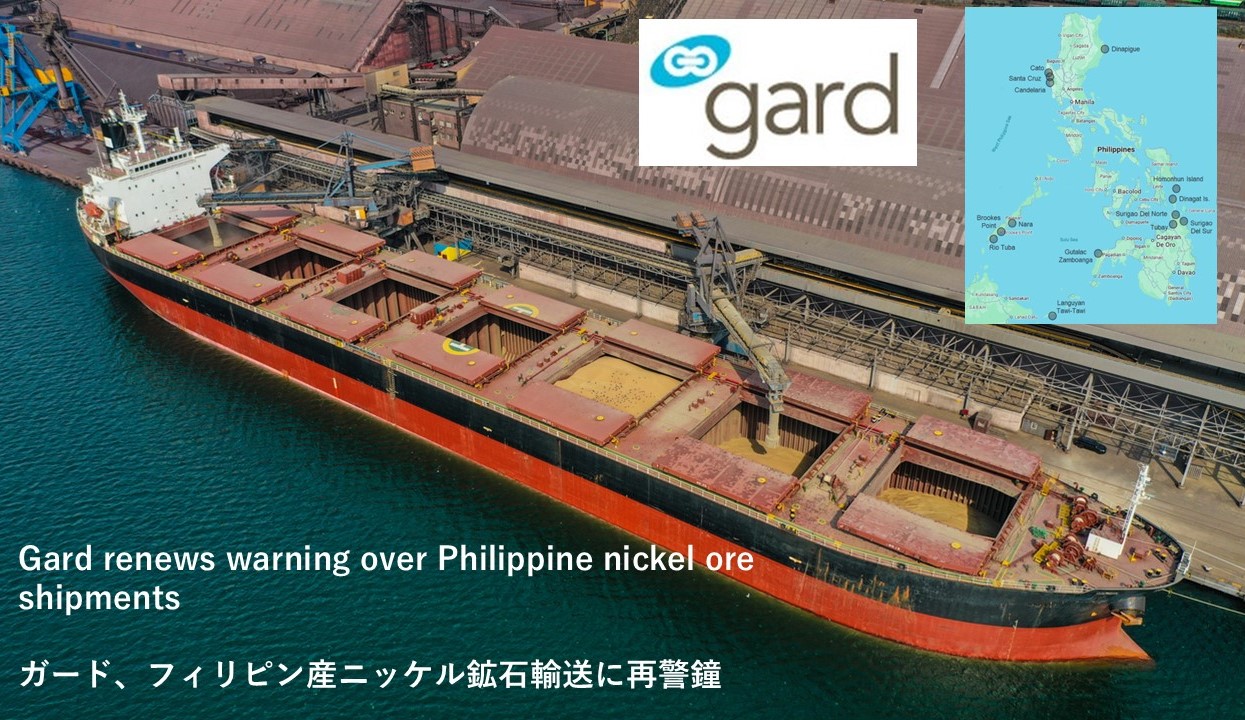
Liquefaction risk resurfaces after DEVON BAY casualty
DEVON BAY遭難事故で液状化リスクが再浮上
Gard, one of the world’s largest P&I clubs headquartered in Norway, has released a report once again urging caution over the risks associated with the seaborne transport of nickel ore from the Philippines.
Key takeaways
→ Liquefaction of mineral cargoes is regarded as a serious hazard that can lead to cargo shift and loss of stability, potentially resulting in the capsizing or sinking of bulk carriers. In January 2026, a maritime casualty occurred involving the dry bulk carrier DEVON BAY (56,095 MT, IMO No. 9622849), which was carrying nickel ore from the Philippines to China and transmitted a distress signal.
→ While the cause of the incident remains under investigation, the structural safety issues surrounding Philippine-loaded nickel ore have once again surfaced within the international shipping industry.
Photo courtesy of Gard, iStock
(Please read on for the full article in English and Japanese. The Japanese version follows the English article.)
ガード、フィリピン産ニッケル鉱石輸送に再警鐘
DEVON BAY遭難事故で液状化リスクが再浮上
ノルウェーに本部を置く世界最大級のP&Iクラブ、Gard(ガード)はこのほど、フィリピン産ニッケル鉱石の海上輸送に関するリスクについて改めて注意を促すレポートを公表した。
この記事のポイント
→鉱石の液状化は貨物移動や復原力喪失を招き、ばら積み船の転覆・沈没につながる重大な危険要因とされる。実際、2026年1月にはフィリピンから中国向けにニッケル鉱石を輸送していたドライバルク船「DEVON BAY」(56,095MT、IMO番号 9622849)が遭難信号を出す海難事故が発生した。
→事故原因は調査中だが、フィリピン積みニッケル鉱石を巡る構造的な安全課題が、再び国際海運業界で浮上している。
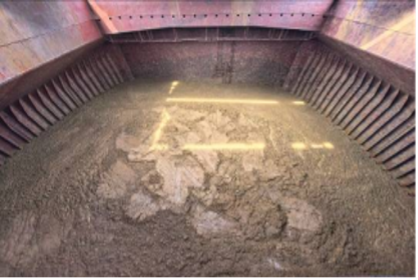
Photo courtesy of Gard, iStock
(続きは英語と日本語で書かれた本文でお読みください。日本語の記事は英文記事に続いて掲載されています)
Video courtesy of Gard
- MOL hosts BLUE ACTION NET-ZERO ALLIANCE seminar 商船三井、BLUE ACTION NET-ZERO ALLIANCEセミナー
- NYK invests in marine start-up Oceanic Constellations 日本郵船、海洋スタートアップのOceanic Constellationsへ出資
関連記事
-
 〆 Inside Report Diverging Views Over New Fuels, MOL’s Hashimoto responds to Maersk「LNG燃料への課金」は是か非か
 -
〆 Inside Report: Why USTR’s New Tariffs Target All Car Carriers Worldwide USTR、全世界の海運会社のPCTC対象の「なぜ」
-
〆 Union Maritime Hosts Second Anniversary Reception in Tokyo:英ユニオンマリタイムが日本事務所設立2周年記念パーティーを開催。
-
〆 Clarksons Japan Hosts Spring BBQ for Japanese Maritime Stakeholders:クラークソンズ、日本の海事関係者を招きBBQ開催
-
〆Osaka Gas makes first LNG bunkering to MOL’s dedicated iron ore carrier — 大阪ガス、商船三井のLNG燃料鉄鋼原料船に初供給
-
〆INSIDE REPORT: Imabari Shipbuilding sees 2,134 Training Program plans revoked. 技能実習法違反、今治造船だけの問題か。
-
〆 INSIDE REPORT TSUNEISHI Block Loading the Compay’s First Methanol-Fuelled Ship 常石造船、初のメタノール燃料船を建造
-
〆 Inside Report An Exodus from Japan’s Trading Houses’ Shipping Divisions: “止まらない日本の商社船舶部の人材流出

コメント