Will Japan-Linked Vessels Secure Access to Iran’s “Safe Corridor”? 日本関係船、イランの「安全回廊」許可得られるか
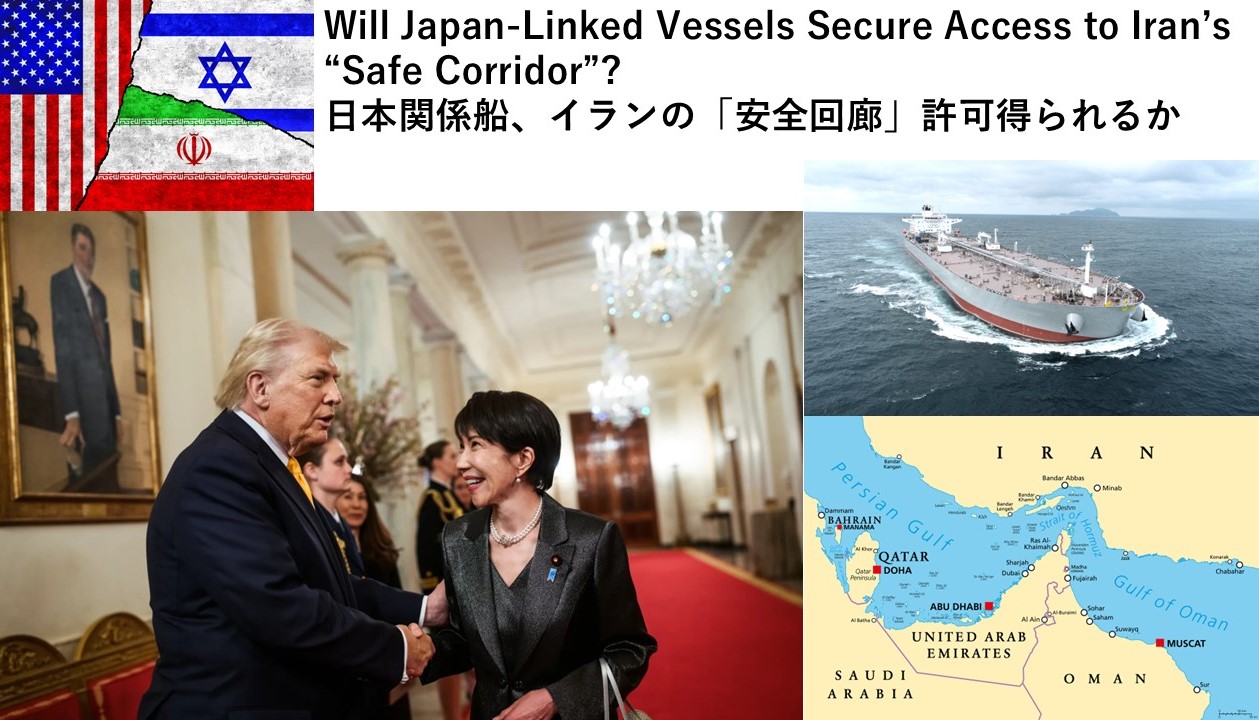
Prime Minister Takaichi in a Difficult Position; President Trump Says, “The Only Issue Is the Strait of Hormuz”
高市首相の難しい立ち位置、トランプ大統領、「唯一の問題はホルムズ海峡だ」
Amid a rapid deterioration in the situation in the Middle East, Iran’s establishment of a de facto “safe transit corridor” in the Strait of Hormuz has begun to exert a significant impact on international shipping and energy supply.
■The full article covers the following points (approx. 3,000 words)
→ What is the reality of the “safe corridor” established by Iran, and what new rules now govern transit?
→ Statements from the Iranian side regarding the acceptance of Japan-linked vessels and the outlook for negotiations
→ The divergence in approaches to the Strait of Hormuz that emerged during the Japan–US summit meeting
→ The impact of a new cost structure, with transit guarantees reaching up to $2 million
→ The difficult choice facing Japan between “energy security” and “alliance maintenance”
Photo courtesy of The White House
(The full text continues in both English and Japanese. The Japanese article follows the English version.)
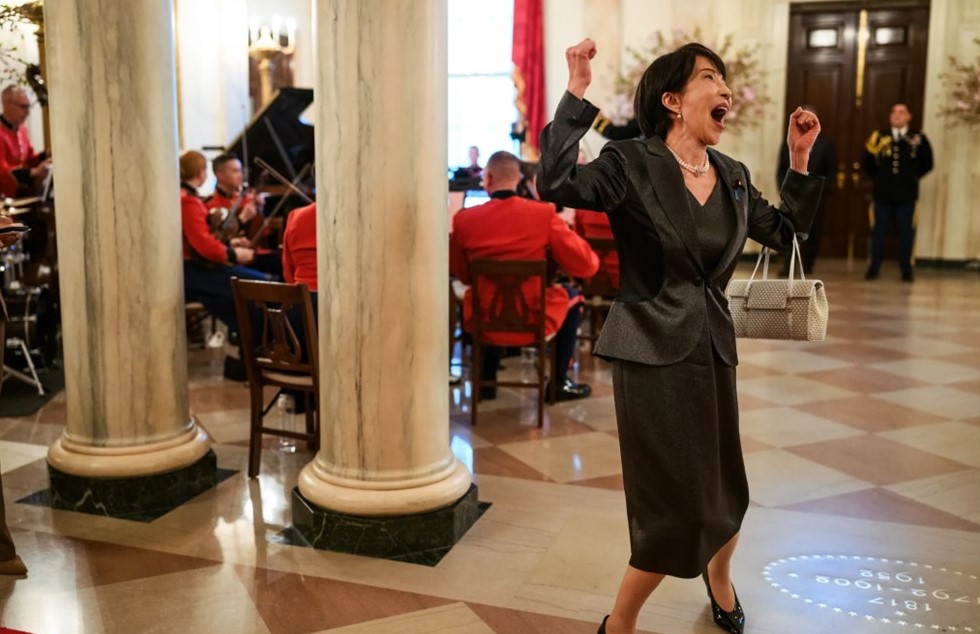
Photo courtesy of The White House
日本関係船、イランの「安全回廊」許可得られるか
高市首相の難しい立ち位置、トランプ大統領、「唯一の問題はホルムズ海峡だ」
中東情勢の急速な悪化を受け、イランがホルムズ海峡に事実上の「安全通航回廊」を設置したことが、国際海運とエネルギー供給に重大な影響を及ぼし始めている。
■記事本文では以下の内容を読むことができます(記事全文約3000文字)
→ イランが設置した「安全回廊」の実態と、通航を巡る新たなルールとは何か
→ 日本関係船の通航容認を巡るイラン側の発言と、その交渉の行方
→ 日米首脳会談で浮き彫りとなったホルムズ海峡対応の温度差
→ 通航保証に最大200万ドルという新たなコスト構造の影響
→ 日本が直面する「エネルギー安全保障」と「同盟維持」の難しい選択
Photo courtesy of The White House
(続きは英語と日本語で書かれた本文でお読みください。日本語の記事は英文記事に続いて掲載されています)
- MSC takes 50% stake in South Korea’s Sinokor, filings confirm MSC、韓国シノコールに50%出資 当局届出で正式確認
- IMO Council condemns attacks on merchant shipping IMO理事会、商船への攻撃を非難
関連記事
-
 〆 Inside Report Diverging Views Over New Fuels, MOL’s Hashimoto responds to Maersk「LNG燃料への課金」は是か非か
 -
〆 Inside Report: Why USTR’s New Tariffs Target All Car Carriers Worldwide USTR、全世界の海運会社のPCTC対象の「なぜ」
-
〆 Union Maritime Hosts Second Anniversary Reception in Tokyo:英ユニオンマリタイムが日本事務所設立2周年記念パーティーを開催。
-
〆 Clarksons Japan Hosts Spring BBQ for Japanese Maritime Stakeholders:クラークソンズ、日本の海事関係者を招きBBQ開催
-
〆Osaka Gas makes first LNG bunkering to MOL’s dedicated iron ore carrier — 大阪ガス、商船三井のLNG燃料鉄鋼原料船に初供給
-
〆INSIDE REPORT: Imabari Shipbuilding sees 2,134 Training Program plans revoked. 技能実習法違反、今治造船だけの問題か。
-
〆 INSIDE REPORT TSUNEISHI Block Loading the Compay’s First Methanol-Fuelled Ship 常石造船、初のメタノール燃料船を建造
-
〆 Inside Report An Exodus from Japan’s Trading Houses’ Shipping Divisions: “止まらない日本の商社船舶部の人材流出

コメント