Strait of Hormuz: Will Japan Agree to the “$2 Million” Negotiation? ホルムズ海峡、日本は「200万ドル」交渉に応じるのか

Even if Tehran is engaged, ships do not move — the Islamic Revolutionary Guard Corps holds the “final decision on passage”
イラン政府と話しても船は動かない 革命防衛隊が握る「最後の通航判断」
An European shipping broker based in Singapore, speaking to Maritime Bridge Japan, pointed out that “Japan appears to be obtaining information from the Iranian government regarding vessel transits, but it will be difficult to determine the passage of Japan-related vessels based on those negotiations.”
■The full article (approximately 3,000 characters) covers the following points:
→ Why 45 Japan-related vessels remain unable to move within the Gulf — the structural reason why “even if you speak with the Iranian government, you cannot pass”
→ Why India, China and Pakistan were able to pass — the decisive differences between their negotiation routes and Japan’s
→ The Strait of Hormuz is shifting not to a “closure” but to “conditional passage” — what is happening on the ground
→ The reality behind the $2 million per vessel theory — the issue is not the cost of passage, but rather “to whom the payment is made”
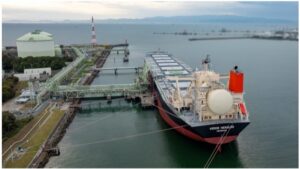
→ The widening impact on Japan’s crude oil and LNG transportation — the longer the delay, the greater the burden on vessel allocation, contracts and crew
(The remainder of the article can be read in the full text available in both English and Japanese. The Japanese article is published following the English version.)
ホルムズ海峡、日本は「200万ドル」交渉に応じるのか
イラン政府と話しても船は動かない 革命防衛隊が握る「最後の通航判断」
Maritime Bridge Japanの取材に応じたシンガポール在住の欧州の海運ブローカーは、「日本はイラン政府からの船舶通航に関する情報は得ている模様だが、その交渉によって日本関係船の通航を判断することは難しいだろう」と指摘する。
■記事本文では以下の内容を読むことができます(記事全文約3000文字)
→ 日本関係船45隻がなお湾内で動けない背景――「イラン政府と話しても通れない」構造的な理由
→ インド、中国、パキスタンはなぜ通れたのか――各国の交渉ルートと日本との決定的な違い
→ ホルムズ海峡は「封鎖」ではなく「条件付き通航」へ――現場で何が起きているのか
→ 1隻200万ドル説の実像――通航コストの問題よりも重い「誰に払うのか」という論点
→ 日本の原油・LNG輸送に広がる影響――足止めが長引くほど増す配船・契約・船員面の負担
(続きは英語と日本語で書かれた本文でお読みください。日本語の記事は英文記事に続いて掲載されています)
- Japan moves again towards bringing coal-fired power back online 日本、再び石炭火力の稼働に向け動き出す
- Shipping Rugby League: NYK v MOL 海運ラグビーリーグ、日本郵船対商船三井
関連記事
-
 〆 Inside Report Diverging Views Over New Fuels, MOL’s Hashimoto responds to Maersk「LNG燃料への課金」は是か非か
 -
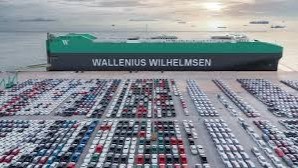
〆 Inside Report: Why USTR’s New Tariffs Target All Car Carriers Worldwide USTR、全世界の海運会社のPCTC対象の「なぜ」
-
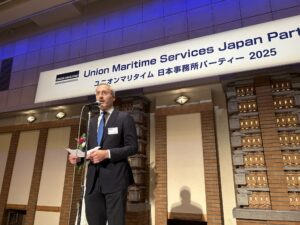
〆 Union Maritime Hosts Second Anniversary Reception in Tokyo:英ユニオンマリタイムが日本事務所設立2周年記念パーティーを開催。
-
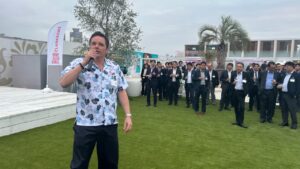
〆 Clarksons Japan Hosts Spring BBQ for Japanese Maritime Stakeholders:クラークソンズ、日本の海事関係者を招きBBQ開催
-
〆Osaka Gas makes first LNG bunkering to MOL’s dedicated iron ore carrier — 大阪ガス、商船三井のLNG燃料鉄鋼原料船に初供給
-
〆INSIDE REPORT: Imabari Shipbuilding sees 2,134 Training Program plans revoked. 技能実習法違反、今治造船だけの問題か。
-
〆 INSIDE REPORT TSUNEISHI Block Loading the Compay’s First Methanol-Fuelled Ship 常石造船、初のメタノール燃料船を建造
-
〆 Inside Report An Exodus from Japan’s Trading Houses’ Shipping Divisions: “止まらない日本の商社船舶部の人材流出

コメント