Red Sea Splits into Two Markets as Tankers Shun Transit 紅海は「二つの市場」に分裂 タンカー回避が映す新たな航路リスク

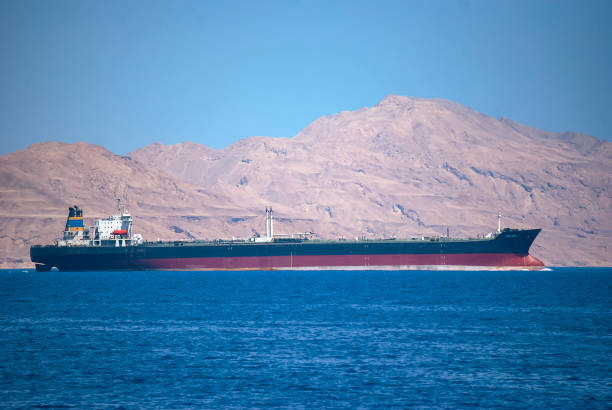
As attacks by Iran’s Islamic Revolutionary Guard Corps (IRGC) continue in the Strait of Hormuz, a structural shift is becoming increasingly evident in the Red Sea shipping market.
■The full article covers the following topics (approximately 2,000 words in English and Japanese)
→ A detailed account of how tankers altered course in the Red Sea following the Houthis’ blockade announcement
→ An analysis of why some VLCCs continued transiting while others turned back, highlighting the differing decisions made by shipowners and operators
→ What the unusual voyage of a sanctioned Iranian vessel may indicate as a new maritime risk signal
→ An operational perspective on why the Strait of Hormuz and the Red Sea should now be viewed as a single interconnected risk area
→ Key considerations for future risk management by Japanese shipowners and Japanese operators
Map of Windward
(Please read the remainder of the article in the paid edition, available in both English and Japanese. The Japanese version follows the English text.)
紅海は「二つの市場」に分裂 タンカー回避が映す新たな航路リスク
ホルムズ海峡でイラン革命防衛隊(IRGC)による攻撃が続く中、紅海では市場構造の変化が鮮明になってきた。
■記事本文では以下の内容を読むことができます(記事全文約2,000文字)
→ フーシ派の封鎖宣言後、紅海で実際に起きたタンカーの進路変更を詳報
→ 一部のVLCCは通航を継続──船社ごとに判断が分かれた背景を分析
→ 制裁対象イラン船の異例の航行が示した新たなリスクシグナルとは
→ ホルムズ海峡と紅海を一体で捉えるべき理由を運航実務の視点から解説
→ 日本船主・邦船オペレーターに求められる今後のリスク管理のポイントを考察
(続きは英語と日本語で書かれた有料版の本文でお読みください。日本語の記事は英文記事に続いて掲載されています)
- Diana Shipping Secures $6.95 Million Charter for DSI Pegasus ダイアナ・シッピング、Fednavとウルトラマックス再用船契約
- 26-Year-Old PCTC Reportedly Sold for USD42m, Triple Reserve Price 船齢26年PCTC、最低売却額の3倍 4,200万ドルで落札か
関連記事
-
 〆 Inside Report Diverging Views Over New Fuels, MOL’s Hashimoto responds to Maersk「LNG燃料への課金」は是か非か
 -
〆 Inside Report: Why USTR’s New Tariffs Target All Car Carriers Worldwide USTR、全世界の海運会社のPCTC対象の「なぜ」
-
〆 Union Maritime Hosts Second Anniversary Reception in Tokyo:英ユニオンマリタイムが日本事務所設立2周年記念パーティーを開催。
-
〆 Clarksons Japan Hosts Spring BBQ for Japanese Maritime Stakeholders:クラークソンズ、日本の海事関係者を招きBBQ開催
-
〆Osaka Gas makes first LNG bunkering to MOL’s dedicated iron ore carrier — 大阪ガス、商船三井のLNG燃料鉄鋼原料船に初供給
-
〆INSIDE REPORT: Imabari Shipbuilding sees 2,134 Training Program plans revoked. 技能実習法違反、今治造船だけの問題か。
-
〆 INSIDE REPORT TSUNEISHI Block Loading the Compay’s First Methanol-Fuelled Ship 常石造船、初のメタノール燃料船を建造
-
〆 Inside Report An Exodus from Japan’s Trading Houses’ Shipping Divisions: “止まらない日本の商社船舶部の人材流出

コメント