US Central Command “Reverse Blockades” Northern Iran Route 米中央軍、イラン北部ルートを「逆封鎖」
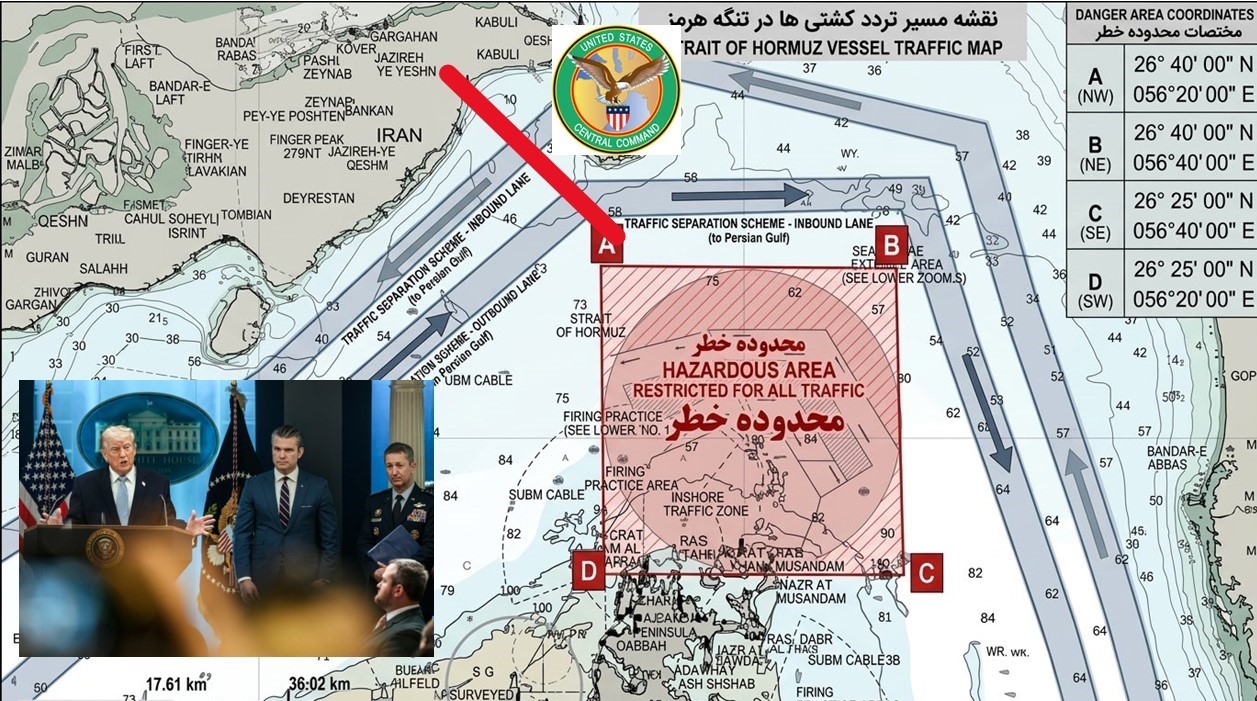
Enforced from 11pm Japan time on the 13th; vessels bound for Iranian ports barred from transit; more than 800 ships stranded in the Gulf
日本時間13日午後11時に発動 イラン港湾向け船舶を通航遮断 湾内800隻超が足止め
US President Donald Trump is set to take a hardline measure that overturns the very premise of maritime transport in the Strait of Hormuz.
■The full article covers the following points (approx. 3,000 words in total)
→ Transit denial measures targeting vessels bound for Iranian ports, including the specific scope of enforcement and implications for operations
→ More than 800 vessels stranded within the Gulf, their breakdown and the resulting impact on cargo flows
→ The structural risk whereby, even with Iranian transit approval, vessels face blockade by US Central Command
→ The transformation of the northern route, and the mechanism by which a “passable strait” ceases to function
→ The impact on shipments bound for China and India, and the reality of route constraints extending across all vessel segments
Photo courtesy of The White House, Al Jazeera
(The full article is available in both English and Japanese. The Japanese version follows the English text.)

米中央軍、イラン北部ルートを「逆封鎖」
日本時間13日午後11時に発動 イラン港湾向け船舶を通航遮断 湾内800隻超が足止め
米国のドナルド・トランプ大統領が、ホルムズ海峡における海上輸送の前提を覆す強硬措置に踏み切る。
■記事本文では以下の内容を読むことができます(記事全文約3000文字)
→ イラン港湾向け船舶を対象とした通航阻止措置、その具体的な運用範囲と実務への影響
→ 湾内に滞留する800隻超の船舶、その内訳と貨物流動への波及
→ イランの通航許可を得ても、米中央軍の封鎖というリスク構造の影響
→ 北部ルートの実態変化、「通れる海峡」が機能しなくなるメカニズム
→ 中国・インド向け輸送への影響と、全船種に広がる航路制約の現実
(続きは英語と日本語で書かれた本文でお読みください。日本語の記事は英文記事に続いて掲載されています)
- Golden Pass start-up puts US Gulf LNG in focus ゴールデンパス輸出始動へ、米国湾岸LNGが代替供給の焦点に
- NS United Kaiun Targets Scope 3 Cuts in Vale Transport NSユナイテッド海運、ヴァーレ向け輸送でScope3排出削減に挑戦
関連記事
-
 〆 Braking News, Massive Explosion Hits Iran’s Key Hub: 4 Dead, 速報:イランの国際物流の要衝、「最重要港湾」で大規模爆発
 -
〆Breaking News〆SHIPS for America Act Reintroduced by US Lawmakers 船舶法、米議員が再発議。日本など同盟国の船舶を米国籍として短期利用
-
Greek Supramax Bulker Catches Fire in Amsterdam Port/ギリシャ海運のスープラマックス、アムステルダム港で大規模火災
-
〆MSC Antonia Grounded in the Red Sea — Suspected Victim of GPS Spoofingm/MSCアントニア、GPSスプーフィング被害の疑い
-
〆Japan Mulls Creation of Japan-US Shipbuilding Revitalisation Fund — 日本政府、「日米造船再生ファンド」設立を検討
-
“Shipbuilding Nippon” to Take Centre Stage at G7 Summit/造船ニッポン、G7で日米首脳会談の主要テーマに
-
〆 EV-Fitted PCTC ‘Morning Midas’ Catches Fire off the Coast of AlaskaEV積載のPCTCモーニング・ミダス、アラスカ沖で火災発生
-
〆US NTSB Releases VDR Audio from Dali – ‘Moments of Lost Control’米NTSB、ダリ号のVDR音声を公開 “制御不能の瞬間”を記録


コメント