Maersk to cut 1,000 jobs, extend depreciation period to 25 years マースク、1,000人削減 償却年数25年に延長

Underlying EBIT in 2026 could reach a USD 1.5bn loss in a worst-case scenario
26年の基礎EBIT、ワーストケースで15億ドル赤字も想定
A.P. Moller-Maersk, the world’s largest container shipping operator, has released its earnings outlook for the January–December 2026 financial year, indicating that underlying EBIT (earnings before interest and tax) could range from a loss of USD 1.5bn in a worst-case scenario to a profit of USD 1bn in a better-case outcome.
Key takeaways
→ Maersk expects global container transport volumes to grow by 2–4 per cent, but has factored in an adjustment in freight rate conditions on the assumption of a phased resumption of traffic through the Red Sea and the Suez Canal.
→ In line with this outlook, the group has decided to implement sweeping structural reforms centred on organisational simplification and reductions in headquarters overheads, including the elimination of approximately 1,000 positions and an extension of vessel useful life assumptions from 20 years to 25 years.
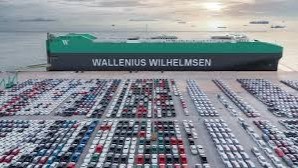
Photo courtesy of Maersk
(Please read the full text in both English and Japanese below. The Japanese article follows the English version.)

マースク、1,000人削減 償却年数25年に延長
26年の基礎EBIT、ワーストケースで15億ドル赤字も想定
コンテナ船運航で世界最大手のA.P. Moller-Maersk(マースク)はこのほど、2026年1-12月期の業績見通しを公表し、基礎EBIT(利払い・税引き前損益)がワーストシナリオで15億ドルの赤字、ベターケースで10億ドルの黒字になるとのレンジを示した。
この記事のポイント
→マースクは世界のコンテナ輸送量は2-4%の成長を見込む一方、紅海・スエズ運河の段階的な通航再開を前提に運賃市況の調整を織り込んだ。
→これに合わせ同社は、組織簡素化と本社間接費削減を柱とする構造改革を断行し、約1,000人の人員削減と船舶の耐用年数を20年から25年に延長することを決定した。
(続きは英語と日本語で書かれた本文でお読みください。日本語の記事は英文記事に続いて掲載されています)
- NYK Group Hosts Media Reception 日本郵船グループ、メディア懇親会を開催
- Temporary Suspension of Terminal Operations at the Port of Rotterdam ロッテルダム港でターミナル業務一時停止
関連記事
-
 〆 Inside Report Diverging Views Over New Fuels, MOL’s Hashimoto responds to Maersk「LNG燃料への課金」は是か非か
 -
〆 Inside Report: Why USTR’s New Tariffs Target All Car Carriers Worldwide USTR、全世界の海運会社のPCTC対象の「なぜ」
-
〆 Union Maritime Hosts Second Anniversary Reception in Tokyo:英ユニオンマリタイムが日本事務所設立2周年記念パーティーを開催。
-
〆 Clarksons Japan Hosts Spring BBQ for Japanese Maritime Stakeholders:クラークソンズ、日本の海事関係者を招きBBQ開催
-
〆Osaka Gas makes first LNG bunkering to MOL’s dedicated iron ore carrier — 大阪ガス、商船三井のLNG燃料鉄鋼原料船に初供給
-
〆INSIDE REPORT: Imabari Shipbuilding sees 2,134 Training Program plans revoked. 技能実習法違反、今治造船だけの問題か。
-
〆 INSIDE REPORT TSUNEISHI Block Loading the Compay’s First Methanol-Fuelled Ship 常石造船、初のメタノール燃料船を建造
-
〆 Inside Report An Exodus from Japan’s Trading Houses’ Shipping Divisions: “止まらない日本の商社船舶部の人材流出

コメント