MOL and Hitachi to Develop Floating Data Centres from Converted Ships 商船三井と日立、中古船改造の「浮体式データセンター」

Proposal for new infrastructure to meet AI demand with no land requirement, shorter construction periods and use of seawater cooling
AI需要に対応、土地不要・短工期・水冷活用で新インフラ提案
Mitsui O.S.K. Lines (MOL), Hitachi and Hitachi Systems have signed a memorandum of understanding (MOU) aimed at the development, operation and commercialisation of Floating Data Centres (FDCs) created by converting secondhand ships.
The full article covers the following points (approximately 3,000 characters):
→ The idea of using oceangoing ships for purposes other than transport — what is similar to the conversion of LNG carriers into FSRUs, and what is decisively different
→ Why shipping companies now need to become involved in data centres as part of AI infrastructure
→ Should secondhand ships be scrapped or have their lives extended — and what is the “third exit” that could change that binary choice
→ What new asset value is created by the combination of shipping and IT, as indicated by the partnership between MOL and Hitachi
→ Why this concept could become a practical solution despite the risks surrounding power supply, telecommunications and regulation
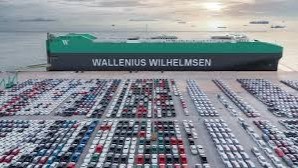
Photo of MOL
(Continue reading the full article, available in both English and Japanese. The Japanese article is published following the English version.)
商船三井と日立、中古船改造の「浮体式データセンター」
AI需要に対応、土地不要・短工期・水冷活用で新インフラ提案
商船三井と日立製作所、日立システムズの3社は中古船を改造した浮体式データセンター(Floating Data Center、FDC)の開発・運用・商用化に向けた基本合意書(MOU)を締結した。
■記事本文では以下の内容を読むことができます(記事全文約3000文字)
→ 外航船を「輸送以外」に使う発想――LNG船のFSRU転用と何が同じで、何が決定的に違うのか
→ なぜ今、海運会社が「データセンター」というAIインフラに関与する必要があるのか
→ 中古船はスクラップか延命か――その二択を変える「第三の出口」とは何か
→ 商船三井と日立の連携が示す、「海運×IT」が生む新たな資産価値の中身
→ 電力・通信・規制リスクを抱えながらも、この構想が現実解になり得る理由
(続きは英語と日本語で書かれた本文でお読みください。日本語の記事は英文記事に続いて掲載されています)
- Is There Really a “Toll Gate” in the Strait of Hormuz? ホルムズ海峡に「料金所」は本当にあるのか
- Where is the area Iran calls a “safe corridor”? イランが「安全回廊」と呼ぶ場所とはどこか?
関連記事
-
 〆 Inside Report Diverging Views Over New Fuels, MOL’s Hashimoto responds to Maersk「LNG燃料への課金」は是か非か
 -
〆 Inside Report: Why USTR’s New Tariffs Target All Car Carriers Worldwide USTR、全世界の海運会社のPCTC対象の「なぜ」
-
〆 Union Maritime Hosts Second Anniversary Reception in Tokyo:英ユニオンマリタイムが日本事務所設立2周年記念パーティーを開催。
-
〆 Clarksons Japan Hosts Spring BBQ for Japanese Maritime Stakeholders:クラークソンズ、日本の海事関係者を招きBBQ開催
-
〆Osaka Gas makes first LNG bunkering to MOL’s dedicated iron ore carrier — 大阪ガス、商船三井のLNG燃料鉄鋼原料船に初供給
-
〆INSIDE REPORT: Imabari Shipbuilding sees 2,134 Training Program plans revoked. 技能実習法違反、今治造船だけの問題か。
-
〆 INSIDE REPORT TSUNEISHI Block Loading the Compay’s First Methanol-Fuelled Ship 常石造船、初のメタノール燃料船を建造
-
〆 Inside Report An Exodus from Japan’s Trading Houses’ Shipping Divisions: “止まらない日本の商社船舶部の人材流出

コメント