“Mine Risk Alone Could Delay Reopening by Over Six Months”「機雷の存在可能性だけでも再開まで6カ月以上」

Industry sources point out; U.S. officials: Iran unable to identify locations of mines laid in the Strait of Hormuz
海運関係者が指摘、米当局「イラン、ホルムズ海峡に敷設した機雷の所在把握できず」
According to the U.S. newspaper The New York Times, U.S. officials have indicated that Iran has been unable to identify the locations of all the mines it laid in the Strait of Hormuz, and further lacks sufficient capability to remove them, leaving it in a situation where it cannot proceed with expanding maritime transit.
■ The full article includes the following points (approx. 3,000 words in total)
→ Why even the “possibility” of mines significantly delays the reopening of shipping lanes
→ The realistic timeline suggested by past cases where mine clearance required several months to more than a year
→ The concrete impact on shipping operations indicated by more than 800 vessels remaining stranded
→ The actual criteria and risk perception guiding shipowners’ decisions to refrain from transit
→ How the mine issue affects not only the reopening of navigation but also diplomatic negotiations
(The remainder of the article can be read in the full text available in both English and Japanese. The Japanese article is published following the English version.)

「機雷の存在可能性だけでも再開まで6カ月以上」
海運関係者が指摘、米当局「イラン、ホルムズ海峡に敷設した機雷の所在把握できず」
米紙The New York Timesによると、米当局者は、イランがホルムズ海峡に敷設した機雷のすべての所在を把握できておらず、さらに除去能力も十分ではないため、通航拡大に踏み切れない状況にあると指摘した。
■記事本文では以下の内容を読むことができます(記事全文約3000文字)
→ 機雷の「存在可能性」だけでも航路再開が大きく遅れる理由とは
→ 掃海に数カ月〜1年以上を要した過去事例が示す現実的な時間軸
→ 800隻超の滞留が示す海運実務への具体的な影響
→ 船主が通航を見送る判断基準とリスク認識の実態
→ 機雷問題が通航再開だけでなく外交交渉にも与える波及とは
(続きは英語と日本語で書かれた本文でお読みください。日本語の記事は英文記事に続いて掲載されています)
- Interview: Miki Ogura, Managing Director of MOL Energia インタビュー、MOLエナージア・小倉美樹MDに聞く
- NYK Steps Up Serial Construction of LNG-Fuelled PCTCs 日本郵船、LNG燃料PCTCの連続建造を本格化
関連記事
-
 〆 Inside Report Diverging Views Over New Fuels, MOL’s Hashimoto responds to Maersk「LNG燃料への課金」は是か非か
 -
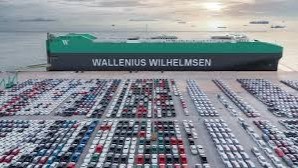
〆 Inside Report: Why USTR’s New Tariffs Target All Car Carriers Worldwide USTR、全世界の海運会社のPCTC対象の「なぜ」
-
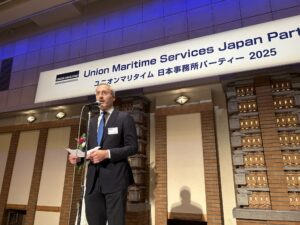
〆 Union Maritime Hosts Second Anniversary Reception in Tokyo:英ユニオンマリタイムが日本事務所設立2周年記念パーティーを開催。
-
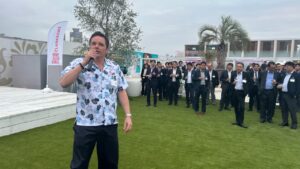
〆 Clarksons Japan Hosts Spring BBQ for Japanese Maritime Stakeholders:クラークソンズ、日本の海事関係者を招きBBQ開催
-
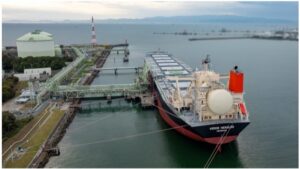
〆Osaka Gas makes first LNG bunkering to MOL’s dedicated iron ore carrier — 大阪ガス、商船三井のLNG燃料鉄鋼原料船に初供給
-
〆INSIDE REPORT: Imabari Shipbuilding sees 2,134 Training Program plans revoked. 技能実習法違反、今治造船だけの問題か。
-
〆 INSIDE REPORT TSUNEISHI Block Loading the Compay’s First Methanol-Fuelled Ship 常石造船、初のメタノール燃料船を建造
-
〆 Inside Report An Exodus from Japan’s Trading Houses’ Shipping Divisions: “止まらない日本の商社船舶部の人材流出

コメント