What is driving higher operating costs for car carriers? 自動車専用船、運航コスト増加の背景を読む

Parallels with Japan’s 6.7m vehicle exports in 2008, as operators prioritise maintaining transport capacity
「2008年」の日本車輸出670万台と類似も、オペレーターは輸送維持を優先
The global pure car and truck carrier (PCTC) market is tightening again.
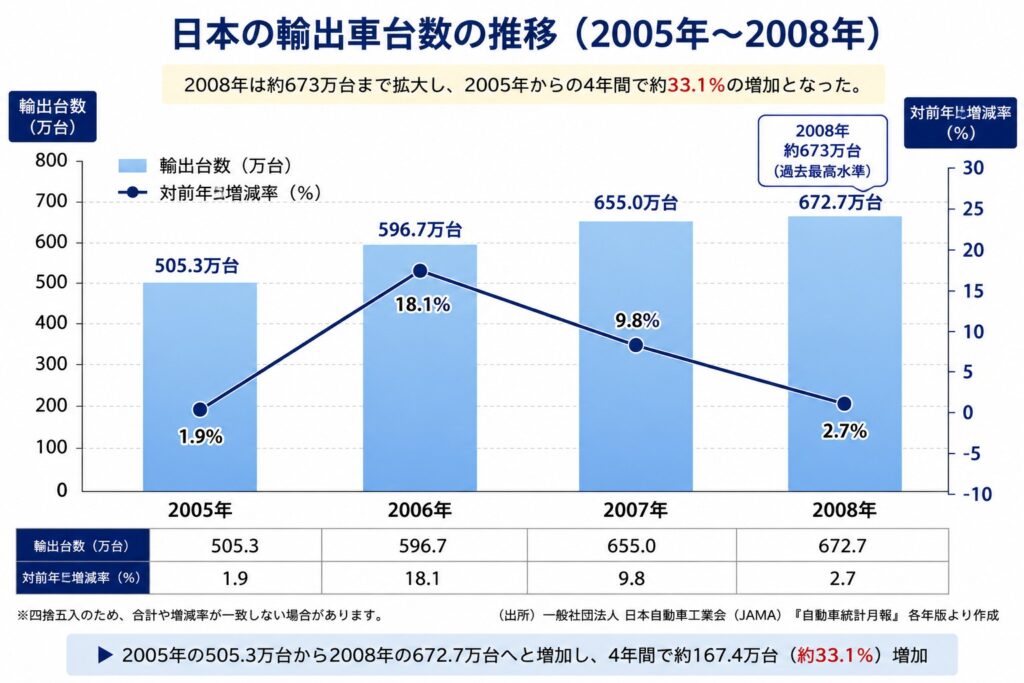
In considering the current car carrier market, the late 2000s, during the economic expansion that preceded the global financial crisis, come to mind. Japanese manufacturers increased exports, with Japan’s vehicle exports rising from about 6.55m units in 2007 to about 6.73m units in 2008.
The reporter, who at the time interviewed an executive responsible for car carriers at one of Japan’s major shipping companies, still remembers the executive’s words. “Put simply, car carriers can carry little other than cars. That makes it extremely difficult to adjust the fleet by increasing or reducing capacity. In fact, the orders we are now receiving from automakers are: ‘Transport them at all costs.'”
■The full article covers the following points (approximately 2,000 Japanese characters)
→ A surge in Chinese vehicle exports is tightening supply and demand in the pure car and truck carrier (PCTC) market again
→ Six-month charters at around $90,000 per day are raising costs for operators that prioritise securing vessel capacity
→ What a car carrier executive said about the “shortage of ships” in 2008, when Japanese vehicle exports reached about 6.73m units
→ Why vessel shortages remain difficult to resolve despite continued newbuilding deliveries, reflecting the distinctive market structure of dedicated car carriers
→ Japan’s three major shipping companies are forecast to transport approximately 10.85m vehicles in total in the year ending March 2027, with the focus on maintaining existing contracts and securing vessel capacity
(Please read the full paid article, published in both English and Japanese. The Japanese article appears after the English version.)
自動車専用船、運航コスト増加の背景を読む
「2008年」の日本車輸出670万台と類似も、オペレーターは輸送維持を優先
世界の自動車専用船(PCTC)市場で船腹需給が再び引き締まっている。
現在の自動車船市場を考えるうえで想起されるのが、リーマン・ショック前まで世界経済が拡大した2000年代後半だ。日本メーカーが輸出を増やし、日本の自動車輸出台数は2007年の約655万台から2008年には約673万台まで拡大した。
当時、日本の海運大手の自動車船担当役員を取材していた記者は、担当役員の言葉を今でも覚えている。「自動車船は簡単に言えば自動車しか運べない。だから船腹を増やす、減らすの調整が非常に難しい。実際、現在、当社にきている自動車メーカーのオーダーは、『何としても輸送してくれ』だ。
■記事本文では以下の内容を読むことができます(記事全文約2,000文字)
→ 中国の完成車輸出急増で、自動車専用船(PCTC)の船腹需給が再び引き締まり
→ 6カ月用船で日建て9万ドル前後、船腹確保を優先するオペレーターにはコスト増
→ 日本車輸出が約673万台に達した2008年、当時の自動車船担当役員が語った「船が足りない」状況とは
→ 新造船の竣工が続いても解消しにくい船腹不足、自動車専用船ならではの市場構造
→ 海運大手3社は2027年3月期に計約1,085万台を輸送へ、既存契約の維持と船腹確保が焦点
(続きは英語と日本語で書かれた有料版の本文でお読みください。日本語の記事は英文記事に続いて掲載されています)
- MSC 8,401 teu containership appears partially submerged off Zhoushan MSCの8,401TEU型コンテナ船、舟山沖で半水没か
- NYK opens newly built car carrier to public at Umi Expo 2026 日本郵船、「うみ博2026」で新造自動車船を公開
関連記事
-
 〆 Inside Report Diverging Views Over New Fuels, MOL’s Hashimoto responds to Maersk「LNG燃料への課金」は是か非か
 -
〆 Inside Report: Why USTR’s New Tariffs Target All Car Carriers Worldwide USTR、全世界の海運会社のPCTC対象の「なぜ」
-
〆 Union Maritime Hosts Second Anniversary Reception in Tokyo:英ユニオンマリタイムが日本事務所設立2周年記念パーティーを開催。
-
〆 Clarksons Japan Hosts Spring BBQ for Japanese Maritime Stakeholders:クラークソンズ、日本の海事関係者を招きBBQ開催
-
〆Osaka Gas makes first LNG bunkering to MOL’s dedicated iron ore carrier — 大阪ガス、商船三井のLNG燃料鉄鋼原料船に初供給
-
〆INSIDE REPORT: Imabari Shipbuilding sees 2,134 Training Program plans revoked. 技能実習法違反、今治造船だけの問題か。
-
〆 INSIDE REPORT TSUNEISHI Block Loading the Compay’s First Methanol-Fuelled Ship 常石造船、初のメタノール燃料船を建造
-
〆 Inside Report An Exodus from Japan’s Trading Houses’ Shipping Divisions: “止まらない日本の商社船舶部の人材流出

コメント