Why are Japan’s Middle East vehicle exports rising despite Hormuz closure? ホルムズ封鎖でも中東向け完成車輸送増加のなぜ?
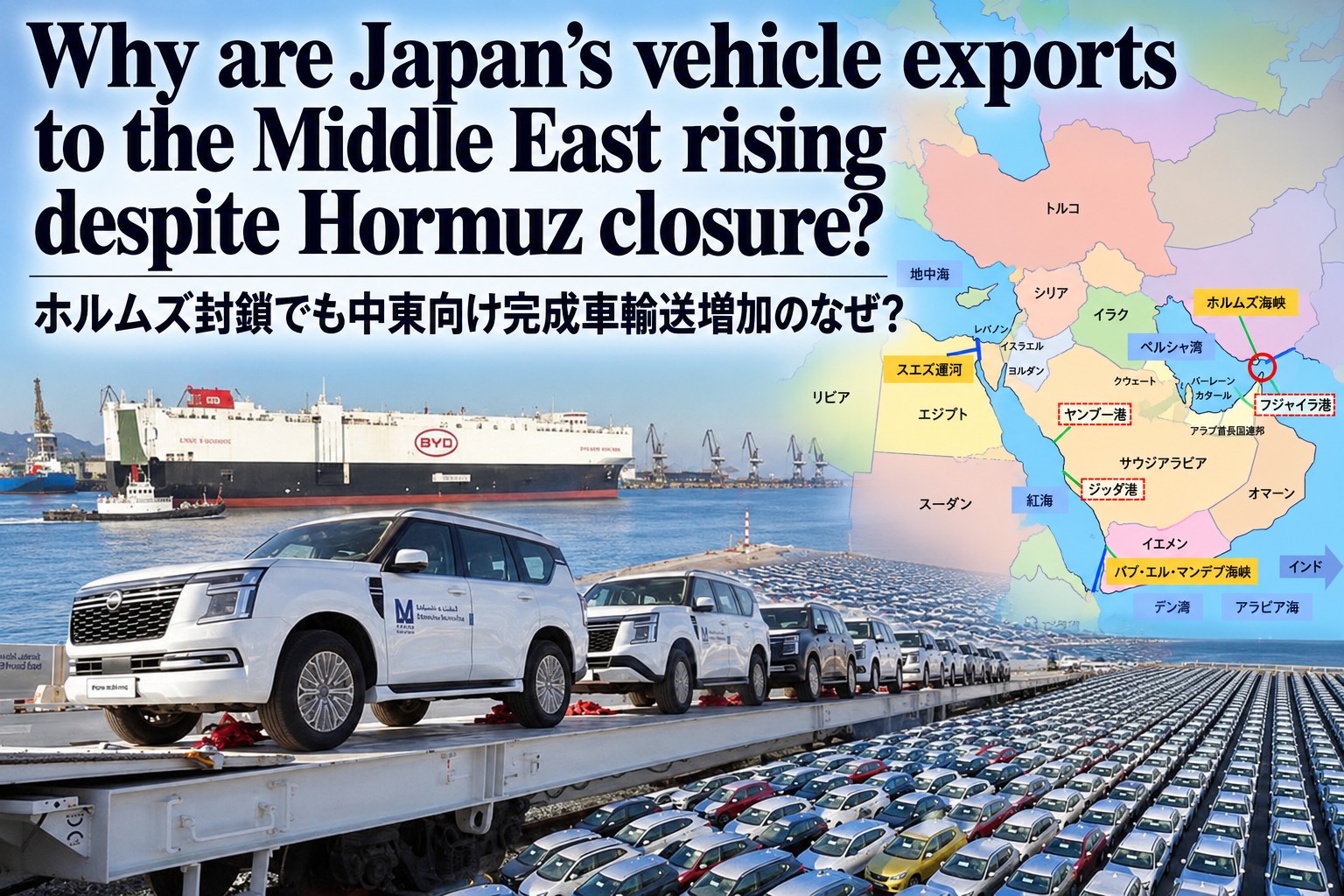
Major shipping companies turn to alternative routes via Oman as PCTC shortage and higher fuel costs add to burden
海運大手、オマーンなど代替ルート活用 PCTC不足と燃料高でコスト負担増
Japan’s vehicle exports to the Middle East are recovering even as the Strait of Hormuz remains effectively closed. According to the Japan Automobile Manufacturers Association (JAMA), vehicle exports to the Middle East rose 0.6% year on year in August 2026, marking the second consecutive month of year-on-year growth.
■The full article covers the following points (approximately 2,000 Japanese characters)
→ Why vehicle exports to the Middle East have risen for two consecutive months despite a 95% fall in traffic through the Strait of Hormuz
→ A new route to Gulf markets that bypasses the strait, after 1,219 vehicles were discharged in a single operation in Oman
→ Chinese vehicle export growth tightens PCTC supply, prompting major Japanese shipping companies to charter expensive spot tonnage
→ Car carriers face waits of up to a week in Jeddah, while higher sailing speeds add to fuel consumption
→ Bunker prices rise from around $500 to more than $800 per tonne, leaving shipping companies with a significant cost burden before BAF adjustments take effect
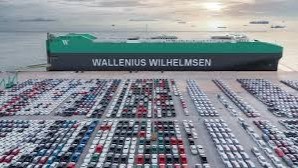
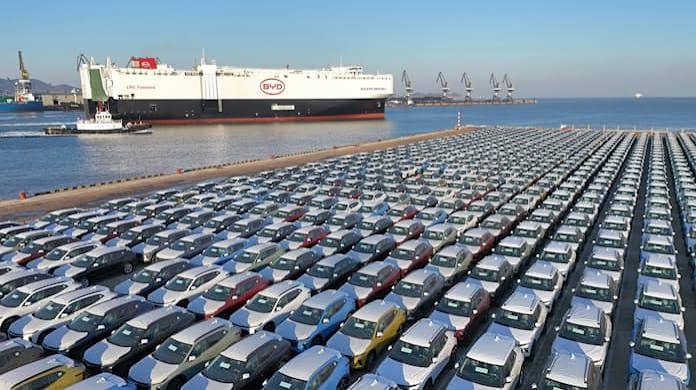
Photo courtesy of BYD, Map reference for Jetro made by Maritime Bridge Japan
(Please continue reading the full paid article, available in both English and Japanese. The Japanese version follows the English article.)
ホルムズ封鎖でも中東向け完成車輸送増加のなぜ?
海運大手、オマーンなど代替ルート活用 PCTC不足と燃料高でコスト負担増
ホルムズ海峡の事実上の封鎖状態が続く中、日本から中東向けの完成車輸出が回復している。日本自動車工業会によると、2026年8月の中近東向け自動車輸出は前年同月比0.6%増え、2カ月連続で前年実績を上回った。
■記事本文では以下の内容を読むことができます(記事全文約2,000文字)
→ ホルムズ通航量95%減、それでも中東向け完成車輸出が2カ月連続で増えた理由
→ オマーンで完成車1219台を一括荷揚げ、海峡を通らず湾岸市場へ運ぶ新ルート
→ 中国車輸出拡大でPCTC船腹が逼迫、日本の海運大手は割高なスポット船を調達
→ ジッダでは自動車船が最大1週間待機、増速運航も重なり燃料消費が増加
→ バンカーは500ドル前後から800ドル台へ、BAF反映まで海運会社に重い負担
(続きは英語と日本語で書かれた有料版の本文でお読みください。日本語の記事は英文記事に続いて掲載されています)
- Qatari LNG transits rise, but supply normalisation remains distant カタール産LNG、海峡通航増も遠い「供給正常化」
- Singapore mulls third LNG import terminal on Pulau Tekong シンガポール、第3LNG輸入基地をテコン島に検討
関連記事
-
 〆 Inside Report Diverging Views Over New Fuels, MOL’s Hashimoto responds to Maersk「LNG燃料への課金」は是か非か
 -
〆 Inside Report: Why USTR’s New Tariffs Target All Car Carriers Worldwide USTR、全世界の海運会社のPCTC対象の「なぜ」
-
〆 Union Maritime Hosts Second Anniversary Reception in Tokyo:英ユニオンマリタイムが日本事務所設立2周年記念パーティーを開催。
-
〆 Clarksons Japan Hosts Spring BBQ for Japanese Maritime Stakeholders:クラークソンズ、日本の海事関係者を招きBBQ開催
-
〆Osaka Gas makes first LNG bunkering to MOL’s dedicated iron ore carrier — 大阪ガス、商船三井のLNG燃料鉄鋼原料船に初供給
-
〆INSIDE REPORT: Imabari Shipbuilding sees 2,134 Training Program plans revoked. 技能実習法違反、今治造船だけの問題か。
-
〆 INSIDE REPORT TSUNEISHI Block Loading the Compay’s First Methanol-Fuelled Ship 常石造船、初のメタノール燃料船を建造
-
〆 Inside Report An Exodus from Japan’s Trading Houses’ Shipping Divisions: “止まらない日本の商社船舶部の人材流出