Dry bulk market: who is ‘winning’? ドライ市況、誰が「勝っている」のか
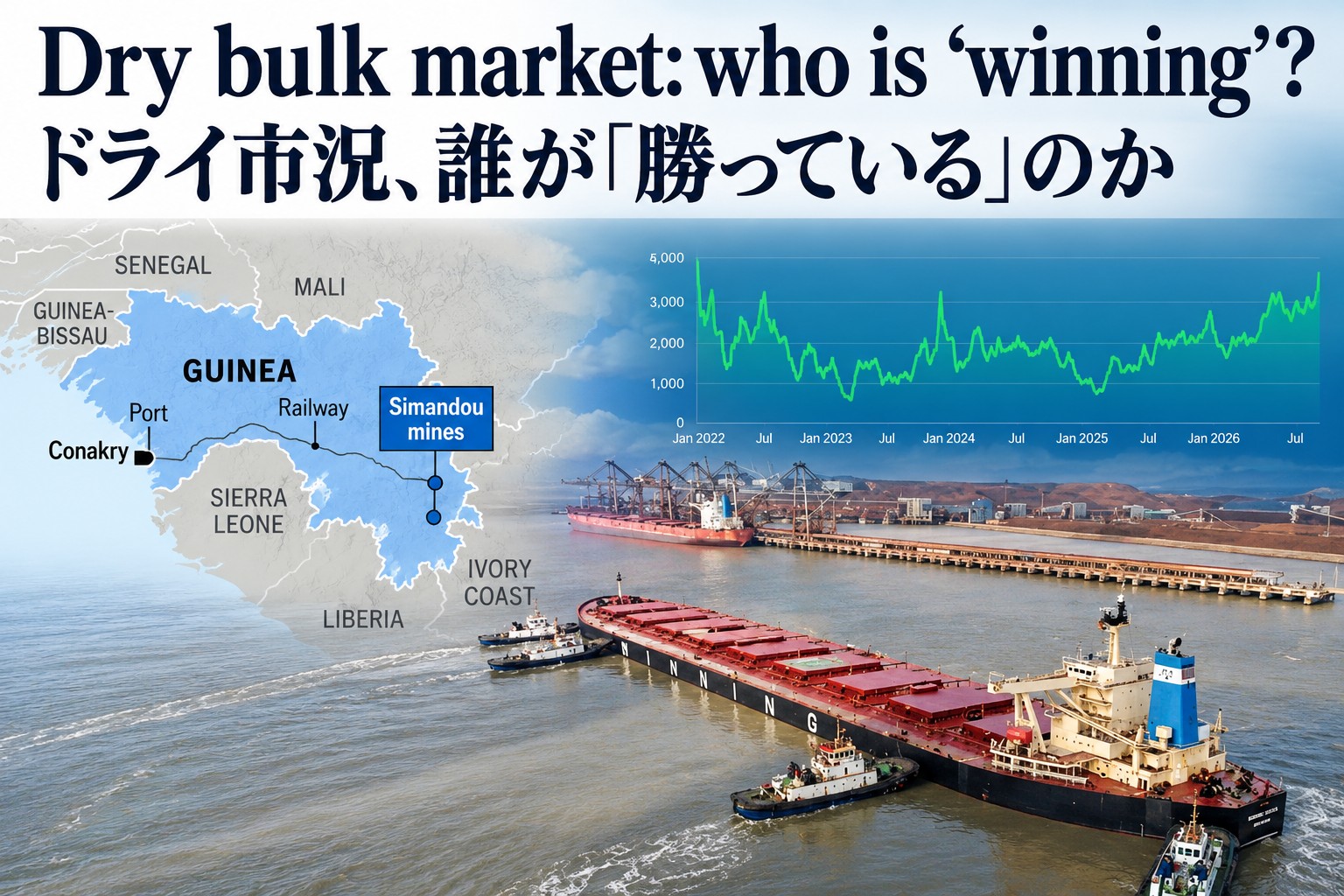
Long-haul cargoes from Guinea absorb tonnage as focus shifts from ‘cargo volumes’ to ‘tonne-miles’
ギニア発の長距離輸送が船腹吸収、焦点は「貨物量」から「トンマイル」へ
The dry bulk market remains strong. The Baltic Dry Index (BDI) rose above 3,600 in early September, reaching its highest level in about five years. Although it subsequently corrected, it remained at 3,370 as of September 18.
Who, then, is benefiting most from the rise in the market, and what will determine future competitive advantage? We examine movements in cargoes, vessel supply and secondhand vessel prices.
■The full article covers the following points (approximately 2,000 Japanese characters)
→ Which shipowners are benefiting most from a dry bulk market that has reached its highest level in about five years
→ How long-haul Guinea-China trades are tightening Capesize vessel supply and demand
→ Why the expansion of bauxite shipments is shifting attention from ‘tonnes’ to ‘tonne-miles’
→ Signs of resilience in the Ultramax, Supramax and Handysize markets as well as Capesize
→ Fleet strategies that could shape future earnings amid rising secondhand vessel prices and newbuilding supply
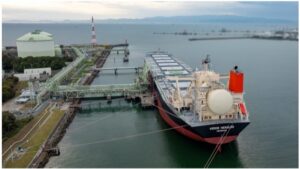
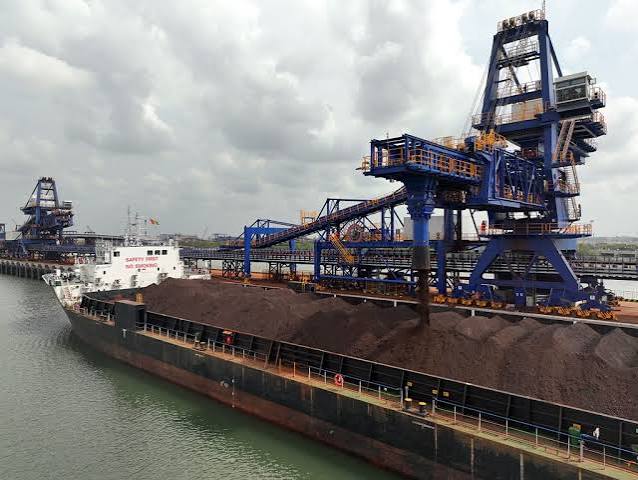
Photo courtesy of BDI, African Energy
(Continue reading the full paid article in English and Japanese. The Japanese article follows the English version.)
ドライ市況、誰が「勝っている」のか
ギニア発の長距離輸送が船腹吸収、焦点は「貨物量」から「トンマイル」へ
ドライバルク市況の好調が続いている。バルチック海運指数(BDI)は9月上旬に3600を超え、約5年ぶりの高水準を付けた。その後は調整したものの、9月18日時点でも3370を維持している。
現在、いったい誰が市況上昇の恩恵を受け、今後の優位性を左右するものは何なのか。貨物と船腹、中古船価の動きから検証する。
■記事本文では以下の内容を読むことができます(記事全文約2,000文字)
→ 約5年ぶりの高水準となったドライ市況、その恩恵を最も受けている船主とは
→ ギニア-中国の長距離輸送が、ケープサイズの船腹需給を引き締める構造
→ ボーキサイト輸送の拡大で注目される「トン」ではなく「トンマイル」の変化
→ ケープサイズに加え、ウルトラマックス、スープラマックス、ハンディサイズにもみられる底堅さ
→ 中古船価上昇と新造船供給を踏まえ、今後の収益力を左右する船隊戦略
(続きは英語と日本語で書かれた有料版の本文でお読みください。日本語の記事は英文記事に続いて掲載されています)
- MR tanker newbuilding investment gathers pace MRタンカー、新造投資が活発化
- K Line's PETRONAS LNG carrier "Puteri Kelantan" delivered 川崎汽船、PETRONAS向けLNG船「Puteri Kelantan」竣工
関連記事
-
 〆 Inside Report Diverging Views Over New Fuels, MOL’s Hashimoto responds to Maersk「LNG燃料への課金」は是か非か
 -
〆 Inside Report: Why USTR’s New Tariffs Target All Car Carriers Worldwide USTR、全世界の海運会社のPCTC対象の「なぜ」
-
〆 Union Maritime Hosts Second Anniversary Reception in Tokyo:英ユニオンマリタイムが日本事務所設立2周年記念パーティーを開催。
-
〆 Clarksons Japan Hosts Spring BBQ for Japanese Maritime Stakeholders:クラークソンズ、日本の海事関係者を招きBBQ開催
-
〆Osaka Gas makes first LNG bunkering to MOL’s dedicated iron ore carrier — 大阪ガス、商船三井のLNG燃料鉄鋼原料船に初供給
-
〆INSIDE REPORT: Imabari Shipbuilding sees 2,134 Training Program plans revoked. 技能実習法違反、今治造船だけの問題か。
-
〆 INSIDE REPORT TSUNEISHI Block Loading the Compay’s First Methanol-Fuelled Ship 常石造船、初のメタノール燃料船を建造
-
〆 Inside Report An Exodus from Japan’s Trading Houses’ Shipping Divisions: “止まらない日本の商社船舶部の人材流出