Crude oil tanker market sees boundaries between vessel classes blur 原油タンカー、船型の境界薄れる

Hormuz crisis drives market integration as Suezmax pool launched
ホルムズ危機で市場一体化、スエズ型プール新設も
Geopolitical tensions surrounding the Strait of Hormuz are making freight rates increasingly interconnected across crude oil tanker classes.
The market structure, once divided by individual vessel classes, is beginning to change, with cargoes and tonnage moving across multiple segments. Strong earnings recorded during the first quarter of 2026, amid the Hormuz crisis, also support that structural shift.
■The full article covers the following topics (approximately 2,000 words)
→ How the Hormuz crisis has exposed a market structure in which the boundaries between tanker classes are becoming increasingly blurred
→ An analysis of why stronger Aframax earnings spread to the VLCC market
→ What Frontline’s first-quarter 2026 performance reveals about the drivers behind the surge in tanker earnings
→ How Tankers International’s cross-segment strategy reflects changing market dynamics
→ Why shipowners and operators need a new perspective on analysing the crude oil tanker market
(Read the full article in the paid edition, published in both English and Japanese. The Japanese version follows the English article.)
原油タンカー、船型の境界薄れる
ホルムズ危機で市場一体化、スエズ型プール新設も
ホルムズ海峡を巡る地政学リスクを背景に、原油タンカー市場では船型を超えた運賃の連動が鮮明になっている。
船型ごとに独立していた市場構造は変化しつつあり、貨物や船腹が複数船型を横断して動く時代に入った。ホルムズ危機で高収益を記録した2026年第1四半期の実績も、その変化を裏付けている。
■記事本文では以下の内容を読むことができます(記事全文約2,000文字)
→ ホルムズ危機で浮かび上がった「船型の境界」が薄れる市場構造とは
→ アフラマックスの収益上昇がVLCCまで波及した背景を分析
→ Frontlineの2026年1~3月期実績から読み解く高収益の要因
→ Tankers Internationalが進める船型横断戦略と市場の変化
→ 船主・オペレーターに求められる新たな市場の見方を解説
(続きは英語と日本語で書かれた有料版の本文でお読みください。日本語の記事は英文記事に続いて掲載されています)
- Imabari Shipbuilding weighs what it will take to resume LNG carrier building 今治造船、LNG船建造へ「何が必要か」
- Iyogin HD and Ehime Bank Head for Management Integration いよぎんHDと愛媛銀、経営統合へ
関連記事
-
 〆 Inside Report Diverging Views Over New Fuels, MOL’s Hashimoto responds to Maersk「LNG燃料への課金」は是か非か
 -
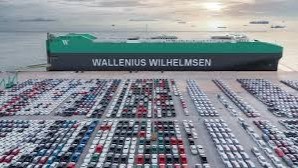
〆 Inside Report: Why USTR’s New Tariffs Target All Car Carriers Worldwide USTR、全世界の海運会社のPCTC対象の「なぜ」
-
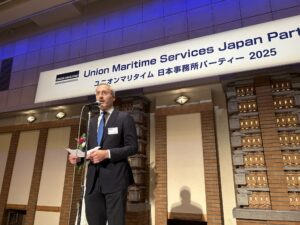
〆 Union Maritime Hosts Second Anniversary Reception in Tokyo:英ユニオンマリタイムが日本事務所設立2周年記念パーティーを開催。
-
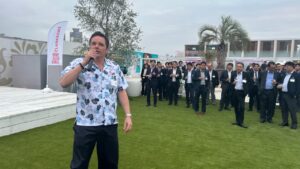
〆 Clarksons Japan Hosts Spring BBQ for Japanese Maritime Stakeholders:クラークソンズ、日本の海事関係者を招きBBQ開催
-
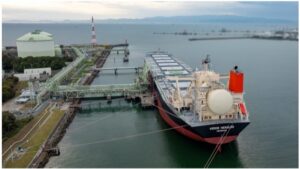
〆Osaka Gas makes first LNG bunkering to MOL’s dedicated iron ore carrier — 大阪ガス、商船三井のLNG燃料鉄鋼原料船に初供給
-
〆INSIDE REPORT: Imabari Shipbuilding sees 2,134 Training Program plans revoked. 技能実習法違反、今治造船だけの問題か。
-
〆 INSIDE REPORT TSUNEISHI Block Loading the Compay’s First Methanol-Fuelled Ship 常石造船、初のメタノール燃料船を建造
-
〆 Inside Report An Exodus from Japan’s Trading Houses’ Shipping Divisions: “止まらない日本の商社船舶部の人材流出

コメント