Is the Strait of Hormuz really “open”? ホルムズ海峡は果たして「開いている」のか

Skuld warns threat to commercial shipping remains “severe”
Skuldが警告、商船通航も脅威「深刻」
Is the Strait of Hormuz “open” or “closed”?
While the US and Iran offer conflicting accounts, some commercial vessels are in fact transiting the strait. However, vessel traffic remains far below normal levels, an unusual situation that continues.
Japanese shipowners, operators and shipmanagement companies will also need to exercise caution and avoid treating the fact that vessels “can transit” as meaning that they “can navigate safely”.
■The full article covers the following points (approximately 2,000 Japanese characters)
→ Skuld says the Strait of Hormuz remains “open to commercial traffic”, while the threat level remains “severe”
→ The US and Iran differ over whether the strait is “open” or “closed”, while actual commercial vessel traffic remains at low levels
→ “Being able to transit” and “being able to navigate safely” are different matters: the current risks highlighted by Skuld
→ Navigational concerns remain beyond direct attacks, including GNSS interference, AIS anomalies and mines
→ “Other vessels have transited” is no proof of safety, requiring voyage-by-voyage decisions for Japan-related vessels
(Continue reading in the full subscriber-only article in English and Japanese. The Japanese article follows the English version.)
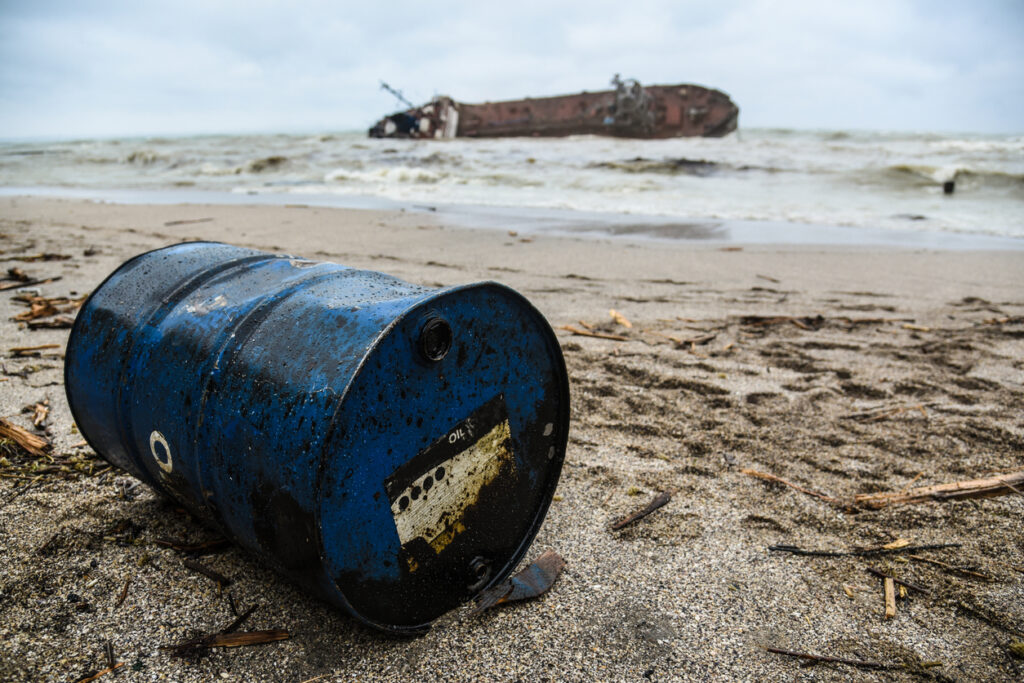
ホルムズ海峡は果たして「開いている」のか
Skuldが警告、商船通航も脅威「深刻」
ホルムズ海峡は「開いている」のか、それとも「閉じている」のか――。
米国とイランの主張が食い違う中、一部の商船は実際に海峡を通航しているものの、船舶交通量は平時を大幅に下回る異例の状態が続いている。
日本船主、オペレーター(運航会社)、船舶管理会社も「通航できる」ことを「安全に航行できる」と捉えず、慎重に判断する必要がありそうだ。
■記事本文では以下の内容を読むことができます(記事全文約2,000文字)
→ Skuldはホルムズ海峡を「商船通航可能」とする一方、脅威レベルは依然「深刻」
→ 米国とイランで異なる「開通」「閉鎖」の認識、実際の商船通航は低水準
→ 「通航できる」と「安全に航行できる」は別問題、Skuldが指摘する現在のリスク
→ GNSS妨害、AIS異常、機雷など、直接攻撃以外にも残る航行上の懸念
→ 「他船が通れた」は安全の証明にならず、日本関係船に求められる航海ごとの判断
(続きは英語と日本語で書かれた有料版の本文でお読みください。日本語の記事は英文記事に続いて掲載されています)
- Is a BBC an escape from ship management - or a deferral of risk? BBCは「船舶管理から解放」か、リスクの先送りか
- K Line hosts summer reception with Toyota Verblitz Himeno and other guests 川崎汽船、トヨタの姫野選手ら招き夏季懇親会を開催
関連記事
-
 〆 Inside Report Diverging Views Over New Fuels, MOL’s Hashimoto responds to Maersk「LNG燃料への課金」は是か非か
 -
〆 Inside Report: Why USTR’s New Tariffs Target All Car Carriers Worldwide USTR、全世界の海運会社のPCTC対象の「なぜ」
-
〆 Union Maritime Hosts Second Anniversary Reception in Tokyo:英ユニオンマリタイムが日本事務所設立2周年記念パーティーを開催。
-
〆 Clarksons Japan Hosts Spring BBQ for Japanese Maritime Stakeholders:クラークソンズ、日本の海事関係者を招きBBQ開催
-
〆Osaka Gas makes first LNG bunkering to MOL’s dedicated iron ore carrier — 大阪ガス、商船三井のLNG燃料鉄鋼原料船に初供給
-
〆INSIDE REPORT: Imabari Shipbuilding sees 2,134 Training Program plans revoked. 技能実習法違反、今治造船だけの問題か。
-
〆 INSIDE REPORT TSUNEISHI Block Loading the Compay’s First Methanol-Fuelled Ship 常石造船、初のメタノール燃料船を建造
-
〆 Inside Report An Exodus from Japan’s Trading Houses’ Shipping Divisions: “止まらない日本の商社船舶部の人材流出

コメント