K Line Retains Place in Leading Global ESG Indices 川崎汽船、世界的ESG指数に継続採用

Selected Again for GPIF-Adopted ESG Benchmarks as Sustainability Strategy Gains Recognition
GPIF採用のESG指数にも選定、サステナビリティ経営を評価
K Line has been retained as a constituent of the global ESG investment index “FTSE4Good Index Series”, the “FTSE JPX Blossom Japan Index” adopted by Japan’s Government Pension Investment Fund (GPIF) for its ESG passive investment strategy, and the “FTSE JPX Blossom Japan Sector Relative Index”.
As the shipping industry faces growing demands for decarbonisation and stronger corporate governance, the importance of ESG management continues to increase.
■The full article includes the following topics (approximately 1,000 characters)
→ Why continued inclusion in ESG indices is valued by global institutional investors
→ What selection for GPIF-adopted ESG indices means and its implications for companies
→ A clear explanation of the differences between the FTSE4Good and JPX Blossom indices and their evaluation criteria
→ An analysis of why ESG management is becoming increasingly linked to competitiveness and capital market evaluations in the shipping industry
→ What K Line’s continued inclusion reveals about the direction of sustainability management expected of shipping companies
(Read the full article in the paid edition, available in both English and Japanese. The Japanese version follows the English article.)
川崎汽船、世界的ESG指数に継続採用
GPIF採用のESG指数にも選定、サステナビリティ経営を評価
川崎汽船は、世界的なESG投資指数「FTSE4Good Index Series」、年金積立金管理運用独立行政法人(GPIF)がESGパッシブ運用で採用している「FTSE JPX Blossom Japan Index」、さらに「FTSE JPX Blossom Japan Sector Relative Index」の構成銘柄に継続選定された。
海運業界でも脱炭素やガバナンス強化が求められる中、ESG経営の重要性は一段と高まっている。
■記事本文では以下の内容を読むことができます(記事全文約1,000文字)
→ なぜESG指数への継続選定が世界の機関投資家から評価されるのかを解説
→ GPIFが採用するESG指数に選ばれることの意味と企業への影響を整理
→ 「FTSE4Good」と「JPX Blossom」の違いと評価基準を分かりやすく紹介
→ 海運業界でESG経営が競争力や資本市場での評価に直結する背景を分析
→ 川崎汽船の継続選定から読み解く、海運企業に求められるサステナビリティ経営の方向性
(続きは英語と日本語で書かれた有料版の本文でお読みください。日本語の記事は英文記事に続いて掲載されています)
- EU Sanctions Bring Arc7 Icebreaking LNG Carriers into Focus EU制裁で焦点となったArc7砕氷LNG船
- NYK completes Saga Welco acquisition process 日本郵船、Saga Welcoの買収手続を完了
関連記事
-
 〆 Inside Report Diverging Views Over New Fuels, MOL’s Hashimoto responds to Maersk「LNG燃料への課金」は是か非か
 -
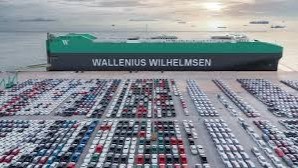
〆 Inside Report: Why USTR’s New Tariffs Target All Car Carriers Worldwide USTR、全世界の海運会社のPCTC対象の「なぜ」
-
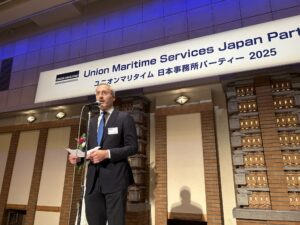
〆 Union Maritime Hosts Second Anniversary Reception in Tokyo:英ユニオンマリタイムが日本事務所設立2周年記念パーティーを開催。
-
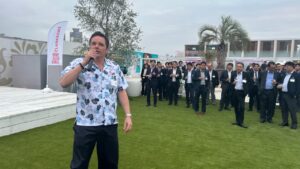
〆 Clarksons Japan Hosts Spring BBQ for Japanese Maritime Stakeholders:クラークソンズ、日本の海事関係者を招きBBQ開催
-
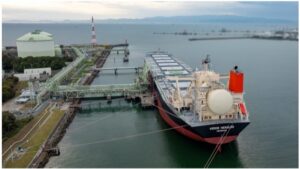
〆Osaka Gas makes first LNG bunkering to MOL’s dedicated iron ore carrier — 大阪ガス、商船三井のLNG燃料鉄鋼原料船に初供給
-
〆INSIDE REPORT: Imabari Shipbuilding sees 2,134 Training Program plans revoked. 技能実習法違反、今治造船だけの問題か。
-
〆 INSIDE REPORT TSUNEISHI Block Loading the Compay’s First Methanol-Fuelled Ship 常石造船、初のメタノール燃料船を建造
-
〆 Inside Report An Exodus from Japan’s Trading Houses’ Shipping Divisions: “止まらない日本の商社船舶部の人材流出

コメント