Cargo-Driven Demand Divide Emerges in Vessel Earnings Analysis 船種別の用船料分析、「カーゴ別需要」が鮮明

Bulker Market Rebounds, VLGC Rates Surge, LNG Remains Flat
バルカー反発、VLGC急騰、LNGは横ばい
A cross-sector comparison of freight earnings across major vessel classes has made one point increasingly clear: the global shipping market is no longer moving in a single unified cycle, but is instead being driven by different economic factors depending on vessel type.
The industry is now entering an era in which earnings disparities are determined less by “the global economy as a whole” and more by “which cargo is transported, to which region, and by which type of vessel”.
■The full article includes the following analysis (approximately 3,000 characters in total)
→An analysis of the latest freight markets, where VLCCs, VLGCs and LNG carriers are moving in sharply different directions
→How the shipping market is shifting from a “global economic linkage model” to a “cargo-specific demand model”
→An examination of how the Red Sea crisis and the Strait of Hormuz situation are affecting each vessel segment differently
→An explanation of the robust demand from India and Southeast Asia supporting the smaller bulker market
→A discussion of the “vessel portfolio strategy” increasingly required of Japanese shipping companies
(The full article can be read in both English and Japanese. The Japanese article is published following the English version.)

船種別の用船料分析、「カーゴ別需要」が鮮明に
バルカー反発、VLGC急騰、LNGは横ばい
Maritime Bridge Japanがこのほど、各船型の用船料を横断的に比較したところ、「世界海運市場が単一サイクルではなく、船種別に異なる経済要因で動いている」点が極めて明確になった。
海運市場は現在、「世界経済全体」よりも、「どの貨物を、どの地域へ、どの船で運ぶか」によって収益格差が拡大する時代へ入りつつある。
■記事本文では以下の内容を読むことができます(記事全文約3,000文字)
→VLCC、VLGC、LNG船で大きく分かれた最新用船市況を分析
→「世界経済連動型」から「カーゴ別需要型」へ変わる海運市場の実態
→紅海危機やホルムズ情勢が各船種へ与える影響を整理
→中小型バルカー堅調の背景にあるインド・東南アジア需要を解説
→日本海運各社に求められる“船種ポートフォリオ戦略”を考察
(続きは英語と日本語で書かれた本文でお読みください。日本語の記事は英文記事に続いて掲載されています)
- PGSA Launched, Controlled Maritime Zone Declared in the Strait of Hormuz ペルシャ湾海峡庁始動、ホルムズ海峡に監視海域を設定
- Itochu Launches Ammonia Bunkering Trial in Singapore 伊藤忠商事、シンガポールでアンモニア燃料供給実証へ
関連記事
-
 〆 Inside Report Diverging Views Over New Fuels, MOL’s Hashimoto responds to Maersk「LNG燃料への課金」は是か非か
 -
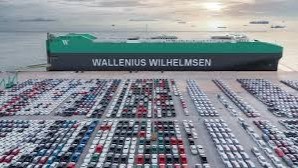
〆 Inside Report: Why USTR’s New Tariffs Target All Car Carriers Worldwide USTR、全世界の海運会社のPCTC対象の「なぜ」
-
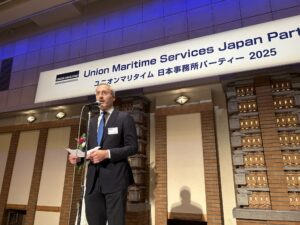
〆 Union Maritime Hosts Second Anniversary Reception in Tokyo:英ユニオンマリタイムが日本事務所設立2周年記念パーティーを開催。
-
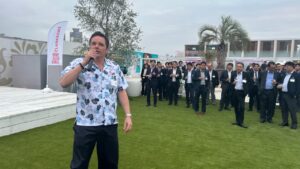
〆 Clarksons Japan Hosts Spring BBQ for Japanese Maritime Stakeholders:クラークソンズ、日本の海事関係者を招きBBQ開催
-
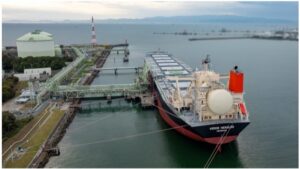
〆Osaka Gas makes first LNG bunkering to MOL’s dedicated iron ore carrier — 大阪ガス、商船三井のLNG燃料鉄鋼原料船に初供給
-
〆INSIDE REPORT: Imabari Shipbuilding sees 2,134 Training Program plans revoked. 技能実習法違反、今治造船だけの問題か。
-
〆 INSIDE REPORT TSUNEISHI Block Loading the Compay’s First Methanol-Fuelled Ship 常石造船、初のメタノール燃料船を建造
-
〆 Inside Report An Exodus from Japan’s Trading Houses’ Shipping Divisions: “止まらない日本の商社船舶部の人材流出

コメント