Illness causes 81% of crew deaths, prompting safety rethink 船員死亡の81%は疾病、事故偏重の安全管理に転換迫る
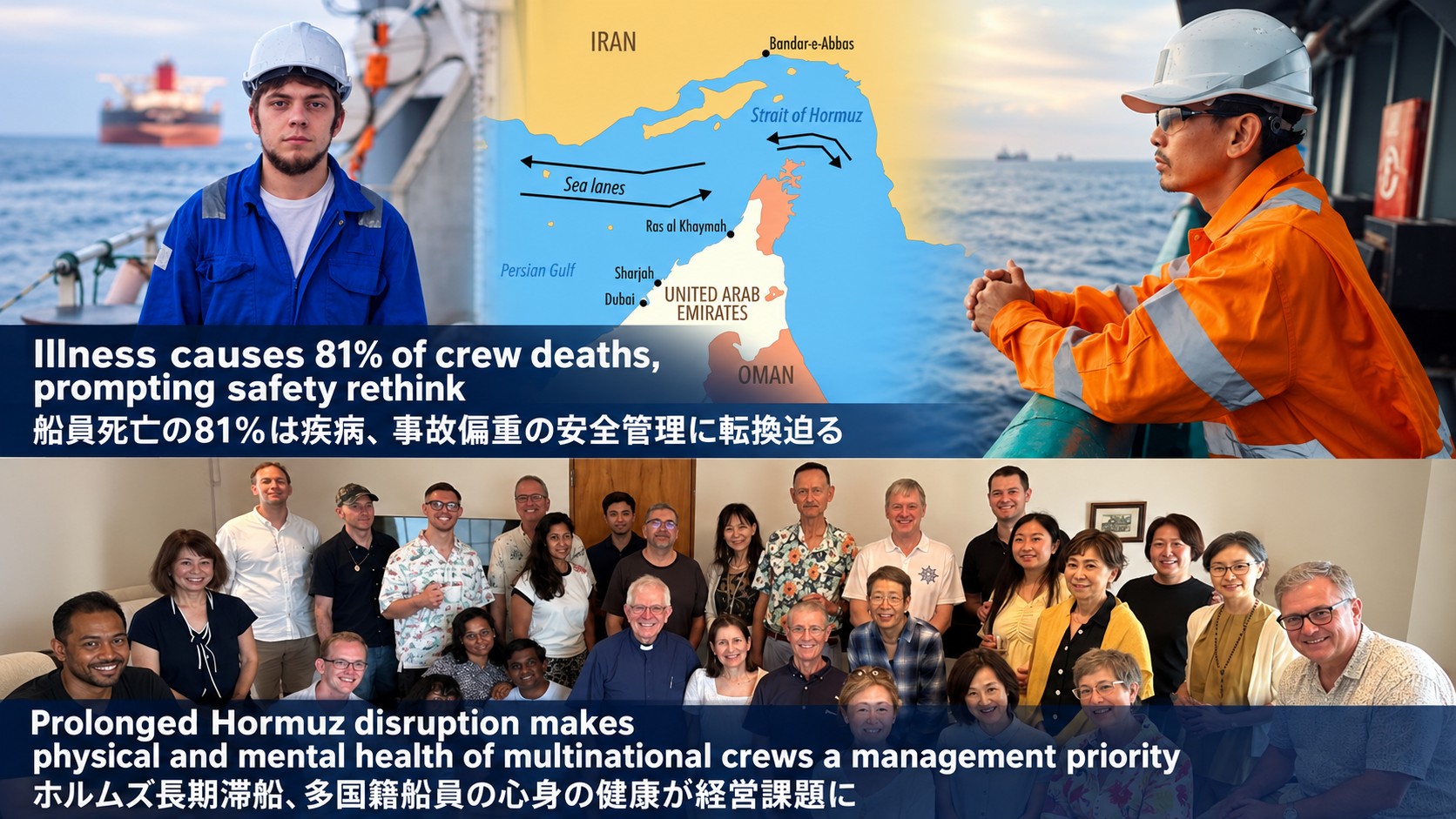
Prolonged Hormuz disruption makes physical and mental health of multinational crews a management priority
ホルムズ長期滞船、多国籍船員の心身の健康が経営課題に
Onboard safety management cannot be confined to preventing falls and injuries during machinery operations. A recent study by Britannia P&I Club found that illness accounted for 81% of crew deaths reported to the club, with circulatory conditions, including cardiovascular disease, the leading cause.
■The full article covers the following points (approximately 2,000 Japanese characters)
→ What Britannia P&I’s analysis of nearly 3,000 claims reveals about illness accounting for 81% of crew deaths
→ Circulatory conditions, which accounted for 58% of illness-related deaths, and the health management required onboard
→ How ship and shore teams can support the nutrition, sleep, medication and mental health of multinational crews
→ How the prolonged disruption in the Strait of Hormuz is affecting crew changes and seafarers’ physical and mental health
→ MTS’s emergency support and its message, highlighted in Japan by MBJ, that “seafarers are not soldiers”
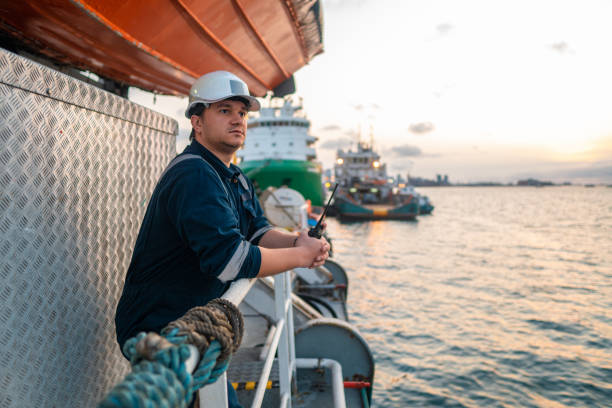
Photo courtesy of iStock, Maritime Bridge Japan
(Please continue reading the full article in the paid version, available in English and Japanese. The Japanese article follows the English version.)
船員死亡の81%は疾病、事故偏重の安全管理に転換迫る
ホルムズ長期滞船、多国籍船員の心身の健康が経営課題に
船上の安全管理は、転落や機械作業中の負傷への対策だけでは十分ではない。ブリタニアP&Iクラブ(Britannia P&I Club)の最新調査では、同クラブに報告された船員死亡の81%を疾病が占め、循環器疾患(心血管疾患)が最大の要因となった。
■記事本文では以下の内容を読むことができます(記事全文約2,000文字)
→ ブリタニアP&Iの約3,000件の分析で、船員死亡の81%を疾病が占めた背景
→ 疾病による死亡の58%を占めた循環器疾患と、船上で求められる健康管理
→ 多国籍船員の食事、睡眠、服薬、メンタルヘルスを船陸間でどう支えるか
→ ホルムズ海峡の長期混乱が船員交代や心身の健康に与えている影響
→ MTSの緊急支援と、MBJが日本で伝える「船員は兵士ではない」との訴え
(続きは英語と日本語で書かれた有料版の本文でお読みください。日本語の記事は英文記事に続いて掲載されています)
- J-ENG completes world's first hydrogen engine for large merchant ships ジャパンエンジン、世界初の大型商船向け水素エンジン完成
- Sanctions screening misses Russia's Sovcomflot over 'PAO' ロシア国営ソブコムフロート、「PAO」で制裁審査見逃し
関連記事
-
 〆 Inside Report Diverging Views Over New Fuels, MOL’s Hashimoto responds to Maersk「LNG燃料への課金」は是か非か
-
〆 Inside Report: Why USTR’s New Tariffs Target All Car Carriers Worldwide USTR、全世界の海運会社のPCTC対象の「なぜ」
-
〆 Union Maritime Hosts Second Anniversary Reception in Tokyo:英ユニオンマリタイムが日本事務所設立2周年記念パーティーを開催。
-
〆 Clarksons Japan Hosts Spring BBQ for Japanese Maritime Stakeholders:クラークソンズ、日本の海事関係者を招きBBQ開催
-
〆Osaka Gas makes first LNG bunkering to MOL’s dedicated iron ore carrier — 大阪ガス、商船三井のLNG燃料鉄鋼原料船に初供給
-
〆INSIDE REPORT: Imabari Shipbuilding sees 2,134 Training Program plans revoked. 技能実習法違反、今治造船だけの問題か。
-
〆 INSIDE REPORT TSUNEISHI Block Loading the Compay’s First Methanol-Fuelled Ship 常石造船、初のメタノール燃料船を建造
-
〆 Inside Report An Exodus from Japan’s Trading Houses’ Shipping Divisions: “止まらない日本の商社船舶部の人材流出

コメント