Star Bulk and Hafnia Deliver Strong Profits Amid Geopolitical Risks スターバルクとハフニア、地政学リスク下で高収益

Dry Bulk and Product Tanker Markets Drive Earnings Expansion Through Freight Volatility
ドライとプロダクト、市況変動を取り込み収益拡大
In the international shipping market during the January-March quarter of 2026, a series of high-profit earnings results were reported by overseas shipping companies in different sectors, namely dry bulk and tankers.
The high-risk, high-return business models adopted by both companies are not easily compatible with those of Japan’s integrated shipping groups or specialised shipping companies. The question appears to be whether Japanese shipping companies can incorporate part of these business models into their portfolios within a manageable range of risk control.
■The full article includes the following points (approximately 3,000 Japanese characters)
→ Analysis of the factors behind strong profits achieved by Star Bulk and Hafnia in different shipping sectors
→ How the Strait of Hormuz issue and the Red Sea crisis affected global shipping markets
→ Explanation of the differences in earnings structures between dry bulk and product tankers
→ Focus on the “market-sensitive business models” of overseas shipping companies supporting high shareholder returns
→ Clear contrast with the management style of Japanese shipping companies, which place greater emphasis on long-term contracts
(The full article can be read in both English and Japanese. The Japanese-language article is published following the English version.)

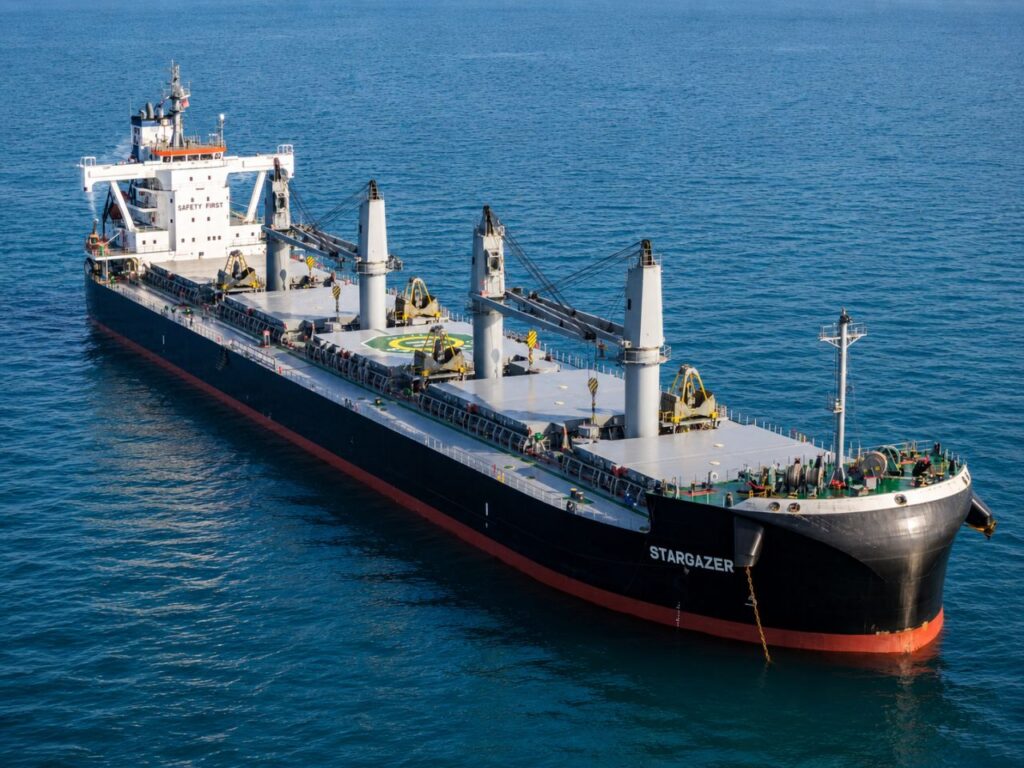
スターバルクとハフニア、地政学リスク下で高収益
ドライとプロダクト、市況変動を取り込み収益拡大
2026年1―3月期の国際海運市場では、ドライバルクとタンカーという異なる分野で、海外船社による高収益決算が相次いだ。
高リスク・ハイリターン型の両社のビジネスモデルは、日本の総合海運会社や専業船社にはなじみにくい。問題は、こうしたビジネスモデルの一部を、日本の海運会社がリスク管理可能な範囲でポートフォリオへ組み込めるかという点にありそうだ。
■記事本文では以下の内容を読むことができます(記事全文約3,000文字)
→Star BulkとHafnia、異なる船種で高収益を実現した背景を分析
→ホルムズ海峡問題や紅海危機が海運市況へ与えた影響とは
→ドライバルクとプロダクトタンカー、それぞれの収益構造の違いを解説
→高配当を支える海外船社の「市況感応型ビジネスモデル」に注目
→長期契約重視の日本海運との経営スタイルの違いも浮き彫りに
(続きは英語と日本語で書かれた本文でお読みください。日本語の記事は英文記事に続いて掲載されています)
- Russia Releases Findings on Attacked LNG Carrier Arctic Metagazロシア、攻撃受けたLNG船「Arctic Metagaz」の調査公表
- DryDel Orders Three Additional Newbuildings at Japanese Shipyards ドライデル、日本造船所に新造船3隻を追加発注
関連記事
-
 〆 Inside Report Diverging Views Over New Fuels, MOL’s Hashimoto responds to Maersk「LNG燃料への課金」は是か非か
 -
〆 Inside Report: Why USTR’s New Tariffs Target All Car Carriers Worldwide USTR、全世界の海運会社のPCTC対象の「なぜ」
-
〆 Union Maritime Hosts Second Anniversary Reception in Tokyo:英ユニオンマリタイムが日本事務所設立2周年記念パーティーを開催。
-
〆 Clarksons Japan Hosts Spring BBQ for Japanese Maritime Stakeholders:クラークソンズ、日本の海事関係者を招きBBQ開催
-
〆Osaka Gas makes first LNG bunkering to MOL’s dedicated iron ore carrier — 大阪ガス、商船三井のLNG燃料鉄鋼原料船に初供給
-
〆INSIDE REPORT: Imabari Shipbuilding sees 2,134 Training Program plans revoked. 技能実習法違反、今治造船だけの問題か。
-
〆 INSIDE REPORT TSUNEISHI Block Loading the Compay’s First Methanol-Fuelled Ship 常石造船、初のメタノール燃料船を建造
-
〆 Inside Report An Exodus from Japan’s Trading Houses’ Shipping Divisions: “止まらない日本の商社船舶部の人材流出

コメント